This summer we have experienced the harshness of a tropical climate and are now facing the difficulties of making accurate weather forecasts. Are climate and weather entirely different concepts, or are they related? Does ‘climate change’ affect both?
By ‘weather’ we mean the atmospheric conditions at specific locations and times, ranging from parts of a continent to small regions and from hours to days. Climate, on the other hand, is a more statistical concept, reflecting typical atmospheric conditions, such as the mild winters and hot summers that have hitherto characterised the Mediterranean climate in Barcelona.
This past summer in Barcelona, we have experienced nights more typical of a tropical climate than a Mediterranean one, almost always linked to the encroachment of the warm high-pressure system located in North Africa. The arrival of these high-pressure systems has become the norm; North African weather patterns have recurred frequently and the climate has taken on tropical characteristics. One consequence is the extraordinary warming of the western Mediterranean, which has become a source of energy for the storms we experience in late summer – storms that are so difficult to predict.
Climate change
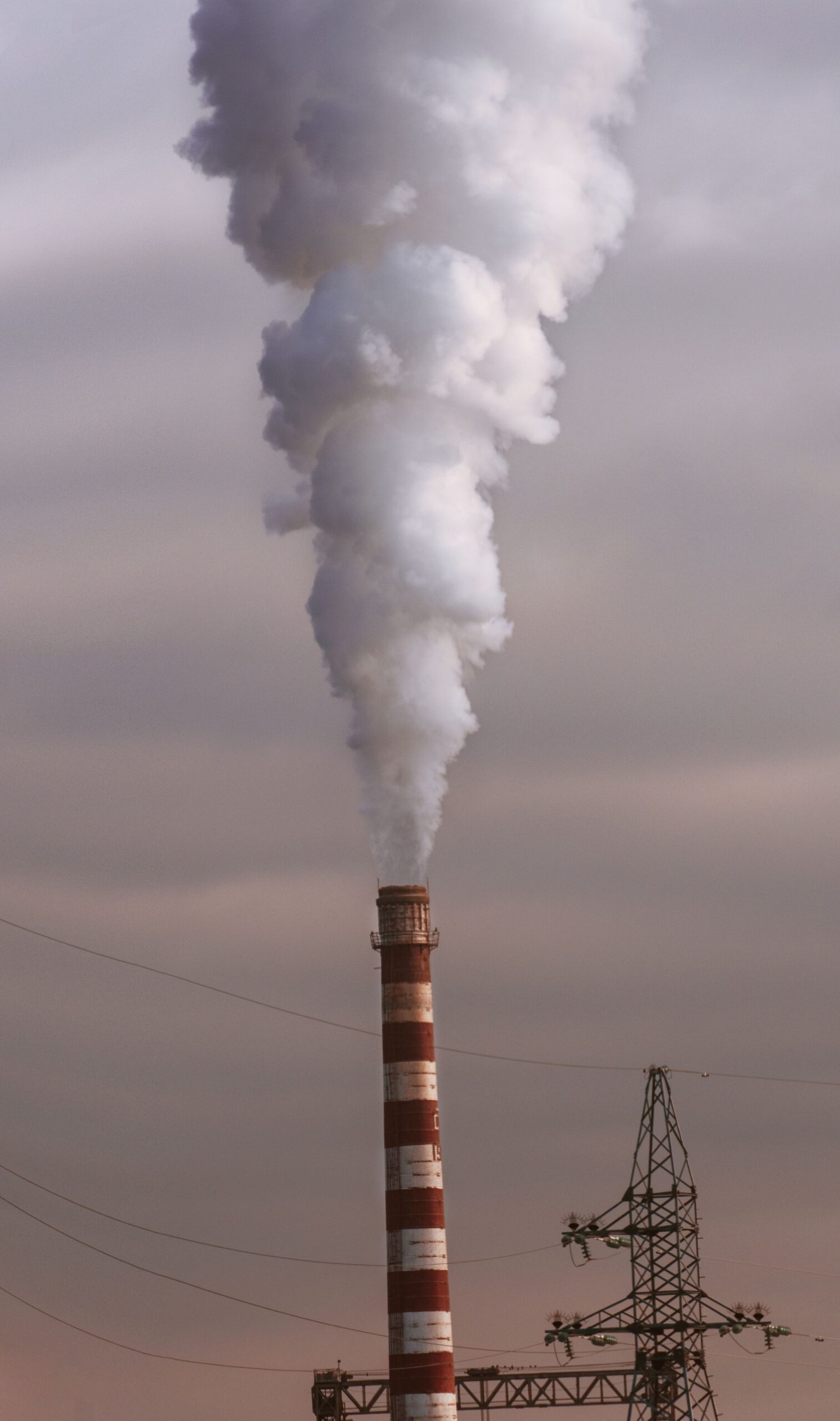
Our day-to-day experience shows us that both the weather and the climate are becoming increasingly difficult to predict. We call it climate change, but what causes it? The answer is clear: the increase in greenhouse gases in the atmosphere, particularly the rise in carbon dioxide (CO₂). This increase stems from excessive human activity, particularly the burning of fossil fuels for manufacturing and transport, but also from construction and intensive livestock farming. Atmospheric greenhouse gases trap a portion of the radiant energy emitted by the Earth’s surface and reflect it back towards the Earth’s surface, which then heats up even further.
Before the start of the industrial era, some 150 years ago, the concentration of CO₂ in the atmosphere was 280 parts per million (ppm), but today it stands at 425 ppm. This has caused the proportion of terrestrial radiative energy trapped in the atmosphere to rise from 37.5 per cent to almost 40 per cent, resulting in an ever-increasing energy surplus – currently standing at 3 watts per square metre – which has caused the planet’s average temperature to rise by 1.4 °C. Locally, this increase can be considerably greater; for example, the temperature in Europe has risen by 2.5 °C.
Greenhouse gases
More than 90 per cent of the excess energy caused by the increase in greenhouse gases has been absorbed by the ocean, whilst the remainder has contributed to melting ice and warming the land and the atmosphere. Although only 2 per cent is used to warm the atmosphere, this is the part we notice most. However, our lack of understanding of how this energy is distributed within the ocean – and also how the warming of the atmosphere alters the hydrological cycle and cloud formation – makes it very difficult to make an accurate prediction of the Earth’s climate evolution. What we do know, however, is that the Earth is accumulating more and more energy and, as a result, is not only warming up but also generating more intense fluctuations, such as the heatwaves of North African origin that we have experienced this summer.
We are venturing into uncharted territory, towards a warmer and more energetic climate that we are unable to predict with any accuracy. This new scenario is the result of our excesses, both individual and collective. Perhaps we should view the climate crisis as an opportunity to learn – a lesson that happiness does not lie in having more, but in living more fully and harmoniously, with nature and with people, being grateful for and enjoying the here and now.
Josep Lluís Pilgrim ,
Oceanographer and science communicator
Institute of Marine Sciences, CSIC