A morning to discover the science taking place in the neighbourhood
On Saturday 3 October, the Barcelona Biomedical Research Park (PRBB) will host a new edition of OpenPRBB. This is an opportunity to step inside one of the most iconic buildings on Barcelona’s seafront and gain a first-hand insight into the research carried out there every day.
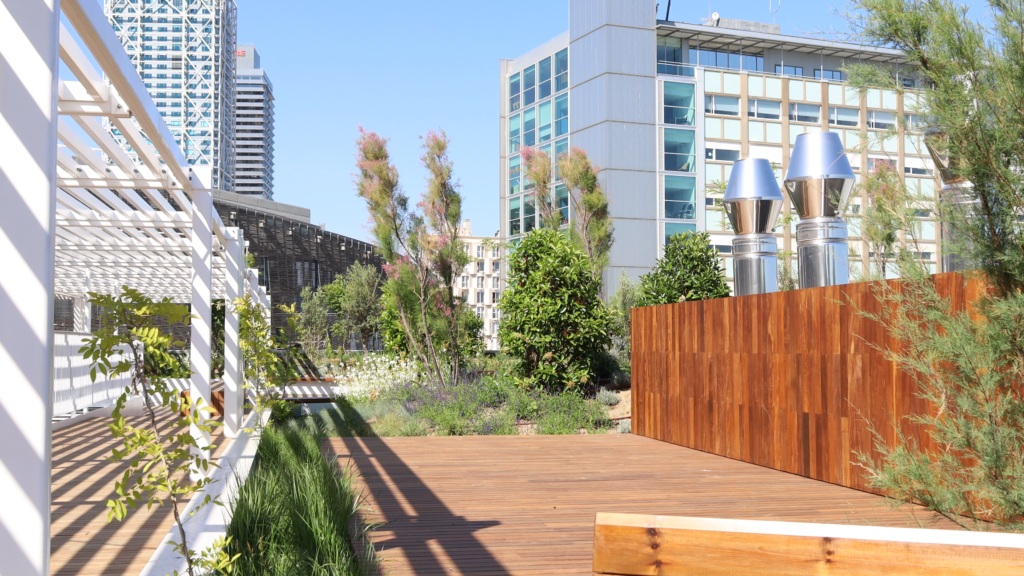
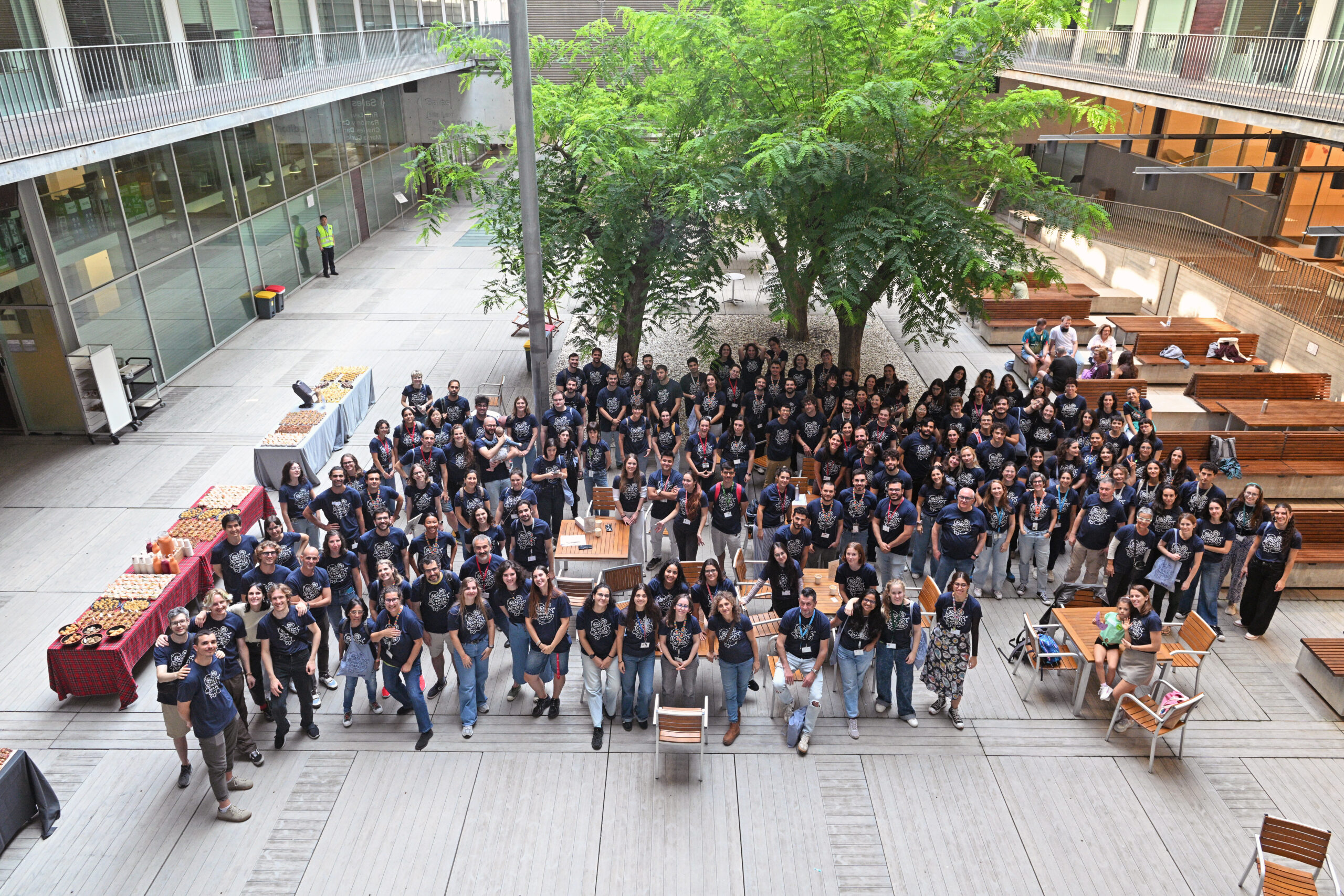
Who hasn’t wondered at some point what lies behind the PRBB’s large windows and wooden façade? From the outside, the Barcelona Biomedical Research Park (PRBB) is a large, curved structure overlooking the sea, but inside there are more than a thousand people working every day to gain a better understanding of health, life and disease.
At the PRBB’s research centres, scientists are studying, for example, how artificial intelligence can help diagnose rare diseases, how to halt metastasis before it manifests, how to activate the immune system against certain tumours, and how extreme heat affects health. There are also teams looking much further back in time, even recovering molecular information from hominids dating back millions of years, or developing imaging technologies to observe organs, embryos or tiny organisms in three dimensions.
This diversity is one of the Park’s greatest assets. The PRBB is home to research centres such as ISGlobal, the Centre for Genomic Regulation, the Hospital de Mar Research Institute, MELIS-UPF, the Institute of Evolutionary Biology, EMBL Barcelona and the Pasqual Maragall Foundation. Whilst each centre has its own areas of research, they share the same environment, scientific services and technologies, which facilitate collaboration. The research carried out may begin with a molecule, a cell or a sample under the microscope, but it often ends up helping us to better understand health, disease and the world around us.
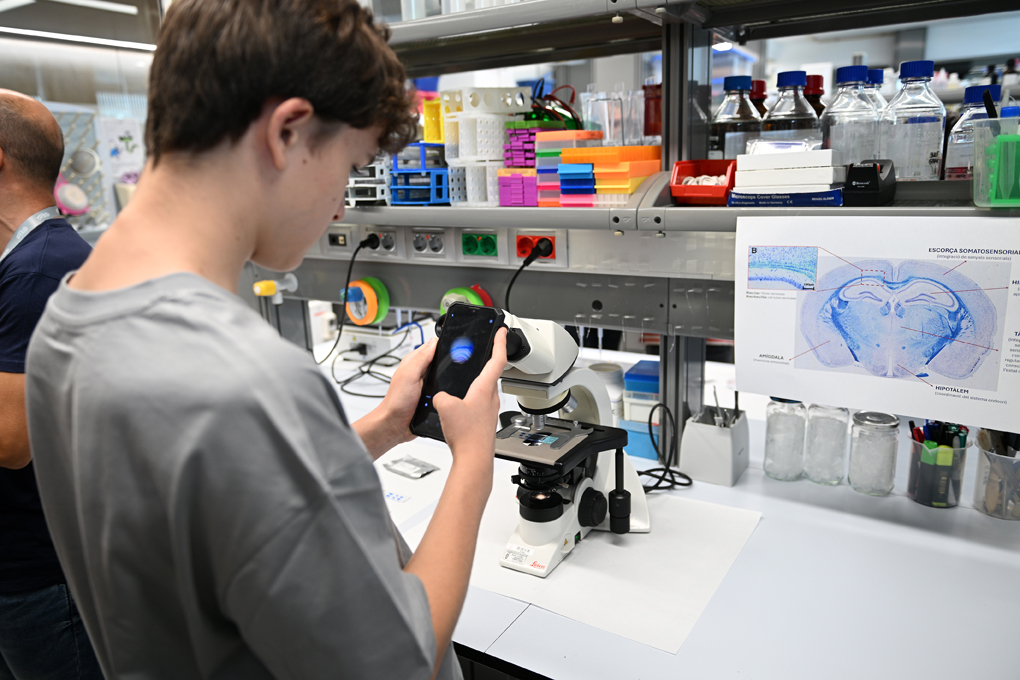
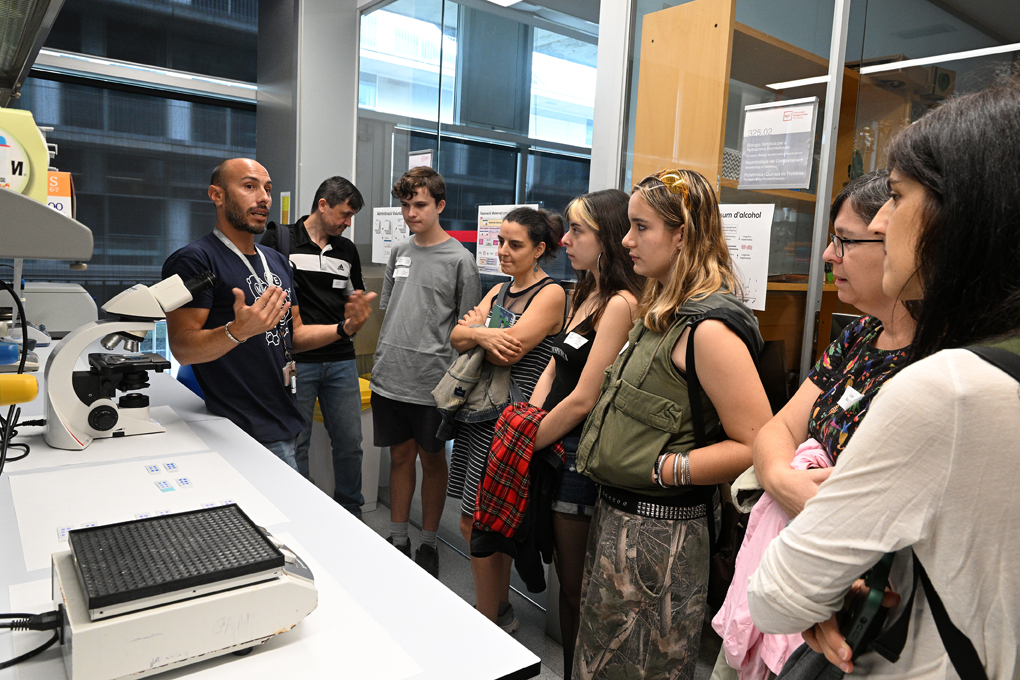
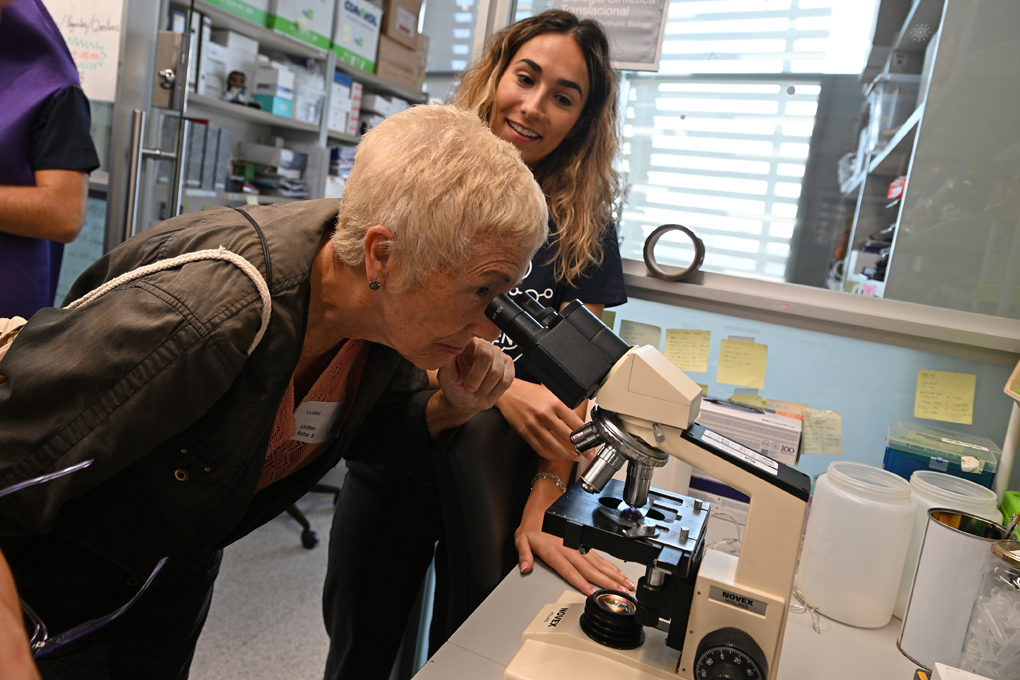
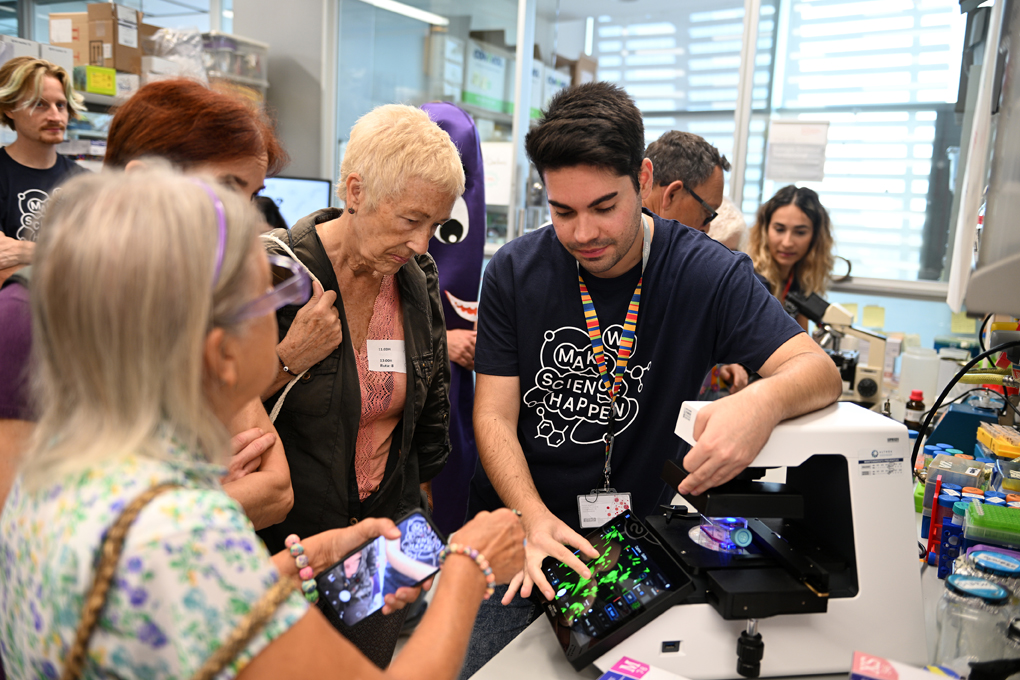
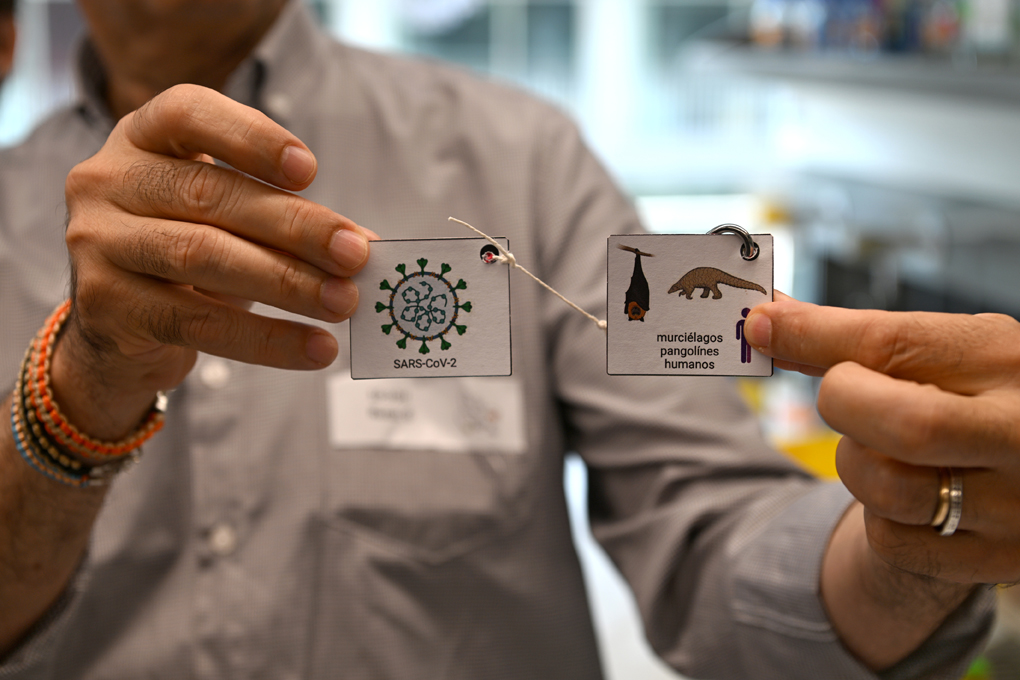
On Saturday 3 October, OpenPRBB will offer the chance to step inside this space and experience science at first hand. Over the course of the morning, researchers and research support staff will explain directly to the public what they are studying, what tools they use and why their work may be important in our lives. Guided tours will be the highlight of the day and will be divided into more than 10 routes, taking visitors through a total of around 25 laboratories and scientific services. In some cases, the tour will conclude with an interactive experience.
For safety reasons, tours inside the building are restricted to those aged 12 and over. Admission is free and bookings can be made from 23 September; places will also be available on the day itself, on a first-come, first-served basis.