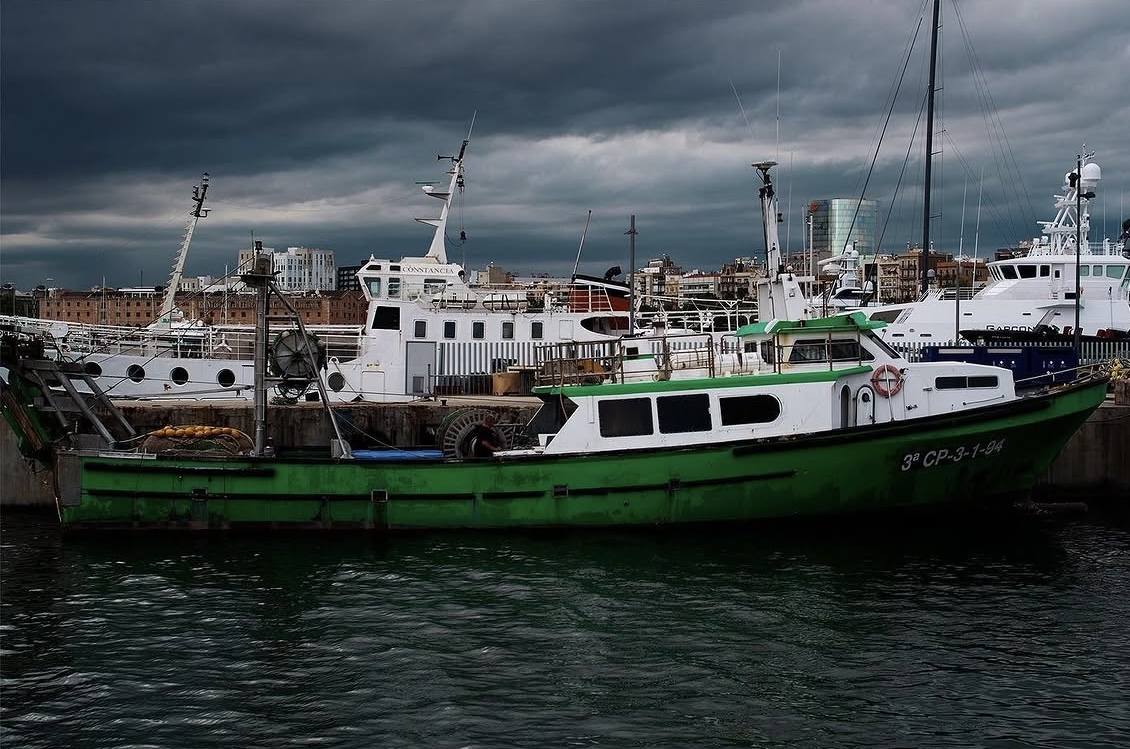
Artisanal fishing in the Mediterranean is governed by a series of regulations drafted and approved in offices kilometers away that, far from making their work easier, strangle them more and more each season until their livelihood becomes increasingly unviable. They simply want to be allowed to fish—of course, while complying with all regulations—since they are, naturally, the first to have a stake in preserving this sea, which is so much a part of them, and in which they have worked hard for generations.
Regulations for Mediterranean fishermen establish an annual limit on fishing days—a limit that has been gradually reduced year after year—and set temporary and area-specific closed seasons, contingent on maintaining selectivity and sustainability measures in the fishing grounds.
2026 DATA:
Fishing Limits: Mediterranean vessels may fish for up to 143 days per year. This figure remains stable thanks to agreements with the European Union, which rejected previous, totally unworkable drastic cuts of 9.6 days per year!
Spatial and Temporal Closures: In addition to the daily limit, national regulations require compliance with continuous closures of at least four weeks. These are applied on a rotating basis or adapted to management plans by zone and province to protect fishery resources.
Closed Season Dates – Barcelona Fishermen’s Guild:
Trawling:
(1) From March 31 to May 9, 2026, both dates inclusive
(2) From October 1 to October 31, 2026, both dates inclusive.
Purse seine:
(1) From November 1, 2025, to January 15, 2026, both dates inclusive
(2) From April 7 to April 24, 2026, both dates inclusive.
Catch Quotas:
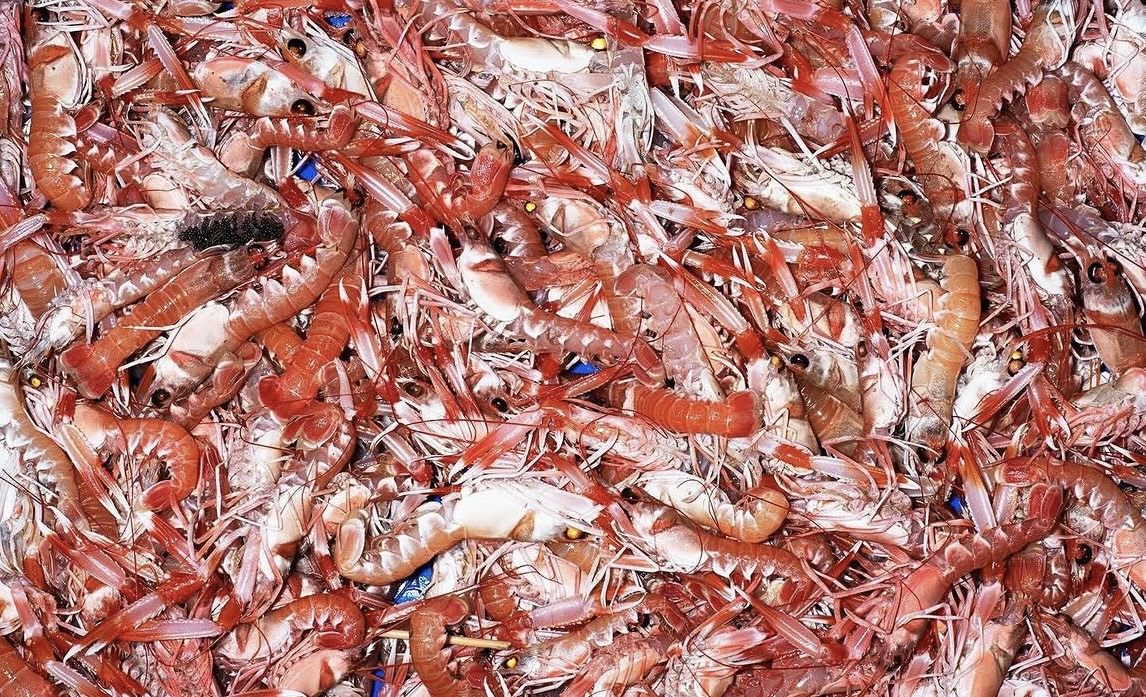
The red shrimp quota remains at 708 metric tons for the entire Mediterranean fishing ground.
Main reasons for these types of restrictions:
• Protecting reproduction: Fishing is restricted during the spawning season (egg-laying) to ensure that adult fish complete their reproductive cycle.
• Protecting juveniles: Fry and young fish are protected from being caught before they have the opportunity to grow and reproduce at least once.
• Ecosystem recovery: Mandatory temporary closures are established to allow marine biomass to recover from the impact of fishing.