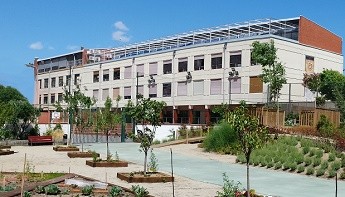
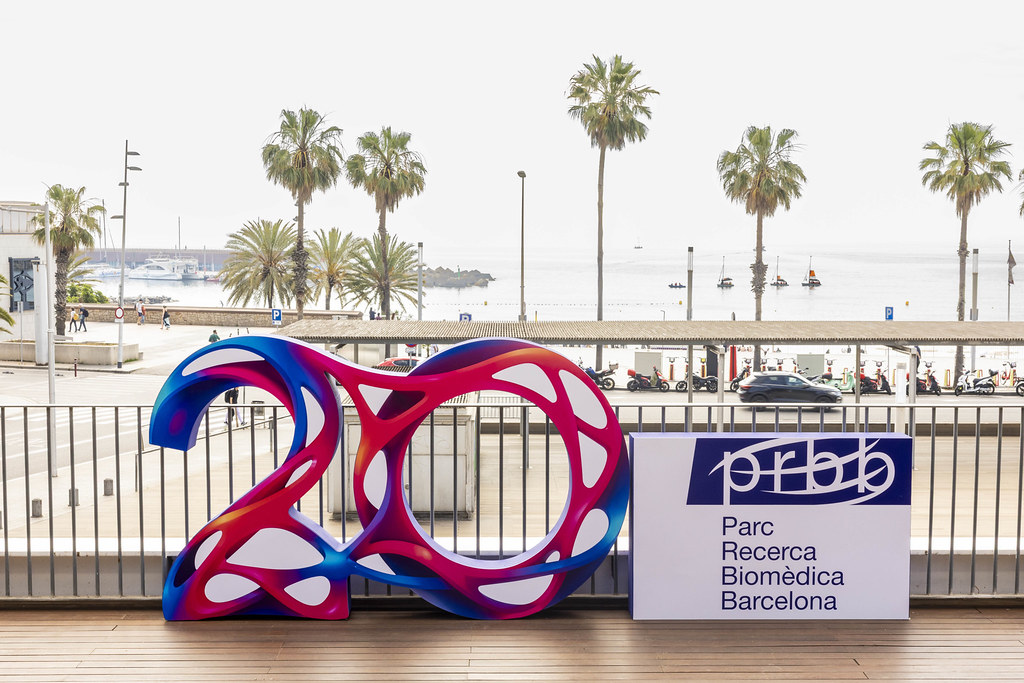
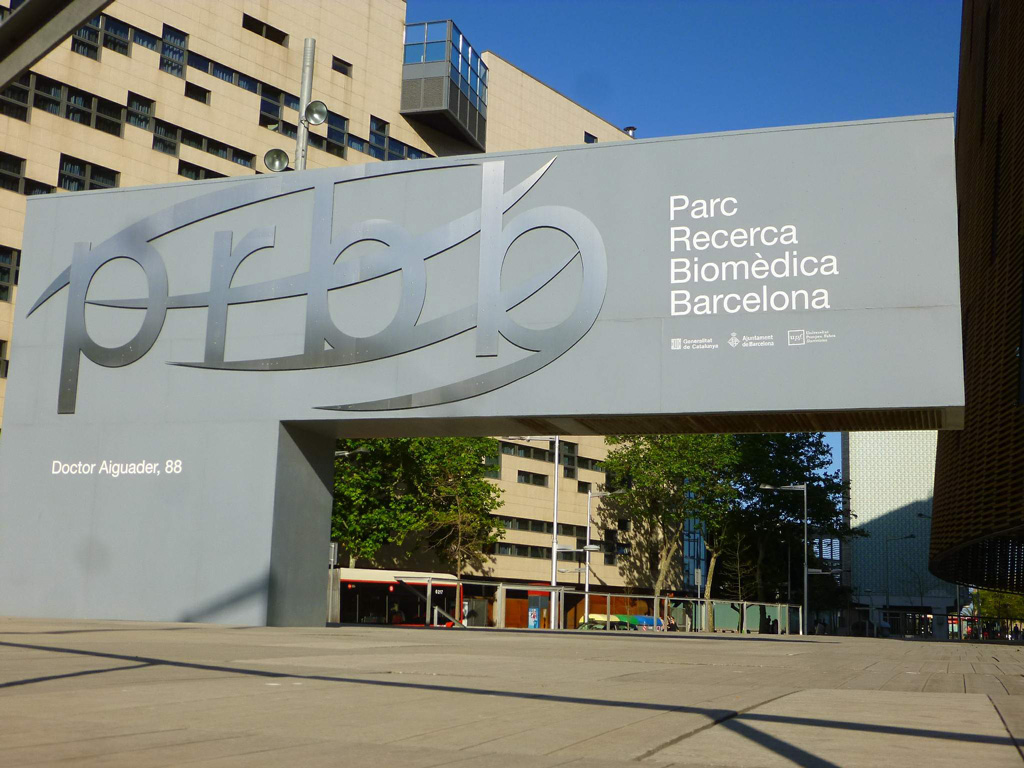
(PRBB) is celebrating 20 years as one of Europe’s leading research hubs, with seven research centers and a critical mass of nearly 1,700 people.
Much More Than Just Research Talent
The PRBB opened its doors in 2006. Twenty years later, the PRBB is using this milestone to emphasize that research excellence depends not only on research talent, but also on an increasingly sophisticated technical and organizational structure. Currently, 70% of the more than 1,700 people working at the Park are neither principal investigators nor postdoctoral staff, but rather professionals dedicated to scientific and technical services, project management, maintenance, and administration.
A Unique Model
The PRBB began to take shape in the late 1980s with the idea of bringing together independent research centers—linked to the biomedical, academic, and hospital sectors—within a single environment featuring shared scientific services, technology, and spaces to foster collaboration, knowledge exchange, and the shared use of resources. Today, this model of coexistence among centers is its main legacy.
The project has ultimately fostered its own scientific culture based on what the Park defines as “radical collaboration,” where collaboration extends beyond the laboratories. It has fostered spaces for interaction and training that bring together professionals who have traditionally worked in isolation within the scientific community.
Invisible infrastructure that is increasingly critical
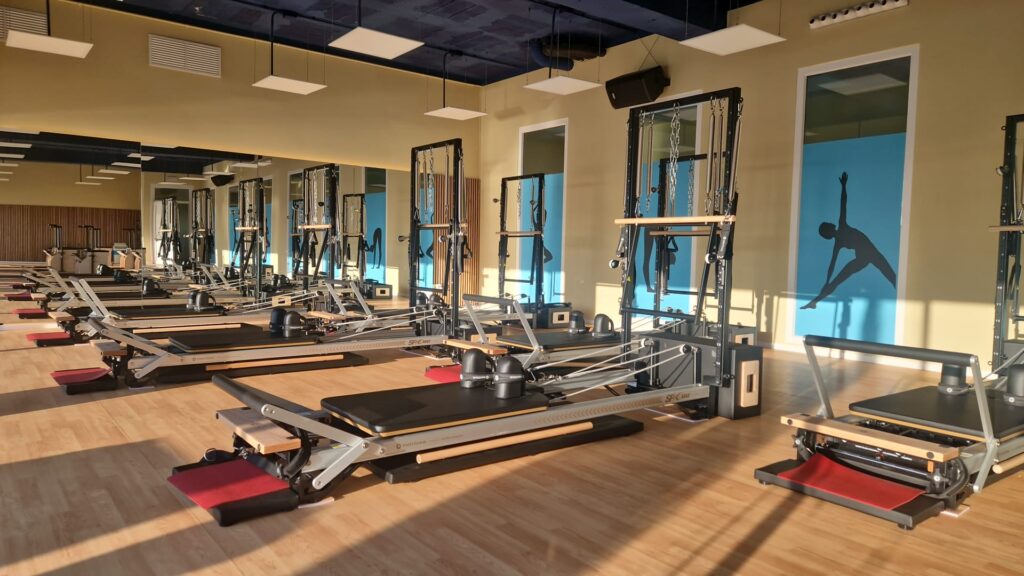
The PRBB also seeks to highlight the role of technology platforms, scientific and technical services, and shared infrastructure—which are often invisible outside the laboratories but are becoming increasingly crucial to maintaining the international competitiveness of large research ecosystems. The Park is currently undergoing various technical and energy-efficiency upgrades, as well as a future expansion linked to the new Ciutadella campus, with the goal of adapting scientific spaces and services to a research landscape that is evolving at an ever-faster pace. This change is also transforming scientific workspaces. One example is the μFabLab, a space jointly promoted by EMBL Barcelona, the CRG, the UPF, and the PRBB to facilitate the development and prototyping of new experimental tools tailored to research needs.
No one knows what science will look like twenty years from now
The experience of the past twenty years shows that major technological transformations tend to arrive before our ability to predict them. “Back in 2006, no one could have imagined many of the tools and processes that are now part of everyday life in laboratories,” recalls Jordi Camí, director of the Park. In this context, the PRBB identifies artificial intelligence as the main driver of transformation in research in the coming years. AI is already beginning to play a role in processes that until recently seemed reserved exclusively for human judgment. For this reason, Camí argues that the major challenges lie in the ethics and regulation of AI: “We will need to establish legal and ethical frameworks as soon as possible and agree on how we can use these tools to advance scientific knowledge in a responsible manner.”
A Celebration with a More Critical Than Commemorative Focus
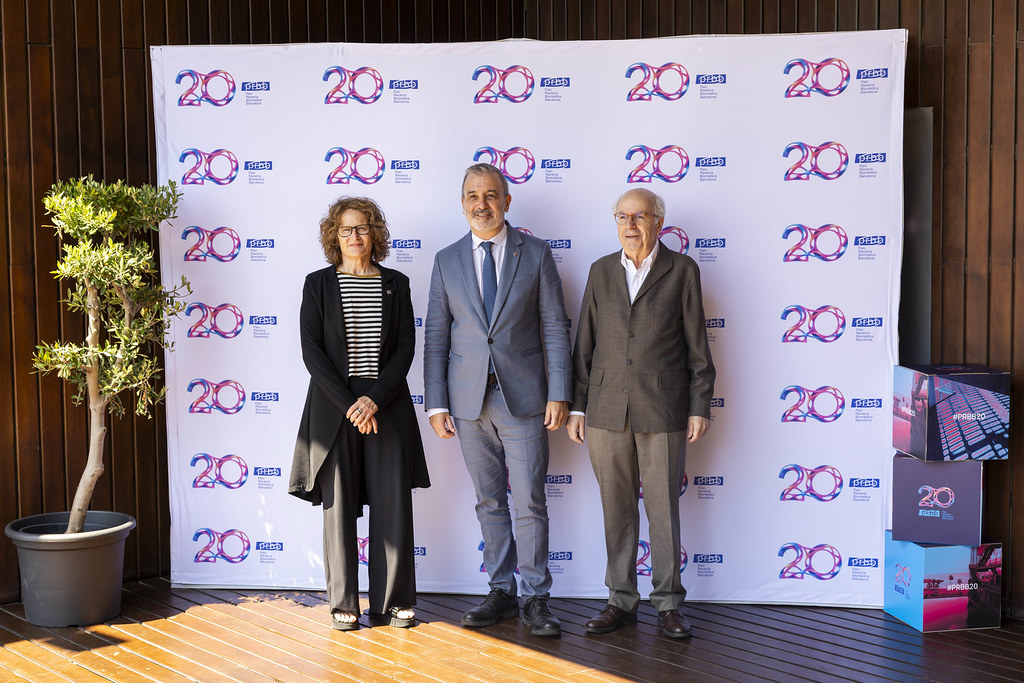
The 20th anniversary of the Barcelona Biomedical Research Park was commemorated on May 20 with an institutional event attended by political and scientific representatives, including the rector of Pompeu Fabra University, Laia de Navidad, the mayor of Barcelona, Jaume Collboni, and the 20th anniversary of the PRBB