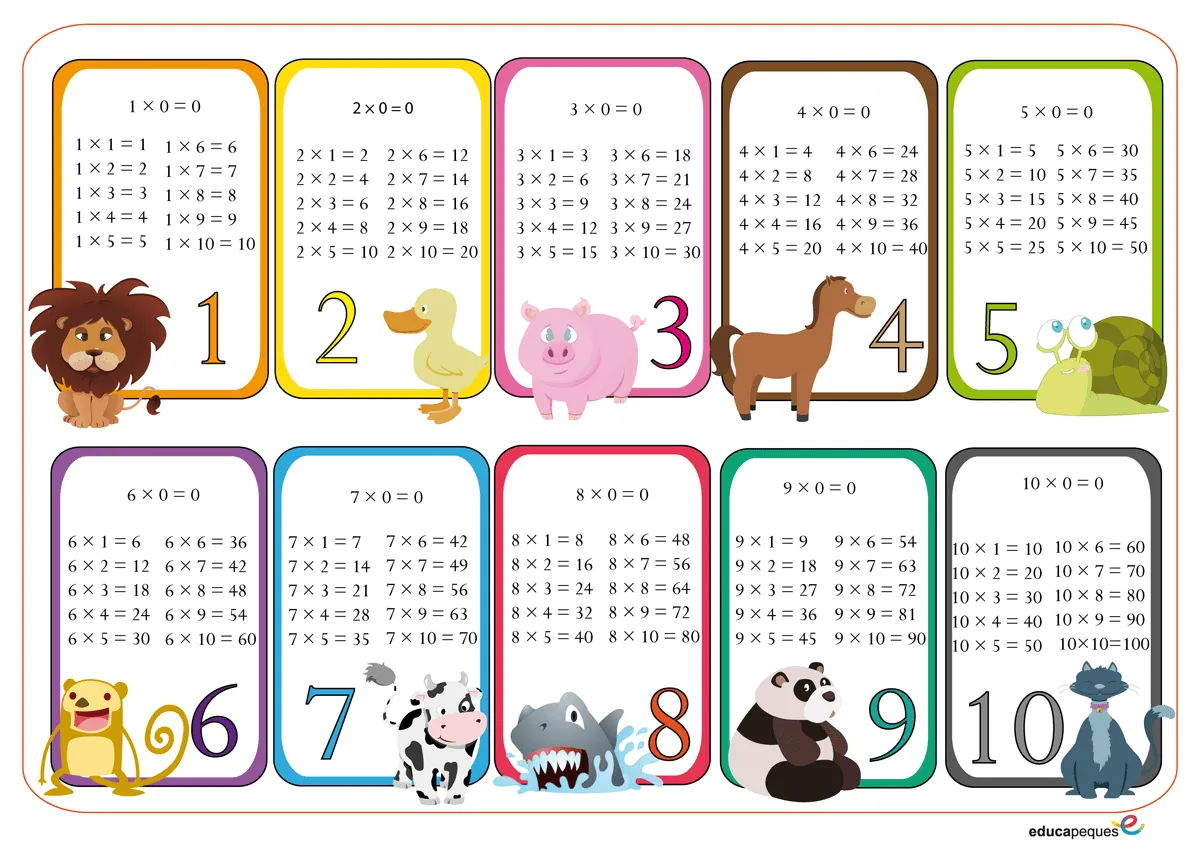
The term ‘illiterate’ refers to a person who cannot read or write.
However, a person who, although familiar with the basic letters, is unable to understand texts or carry out simple calculations may also be considered functionally illiterate.
At the end of the 19th century, the illiteracy rate among the inhabitants of Barceloneta stood at 66 per cent. In other words, out of every 100 residents, 66 could neither read nor write. This is hardly surprising when you consider that only 57 per cent of children aged between 3 and 14 were in school.
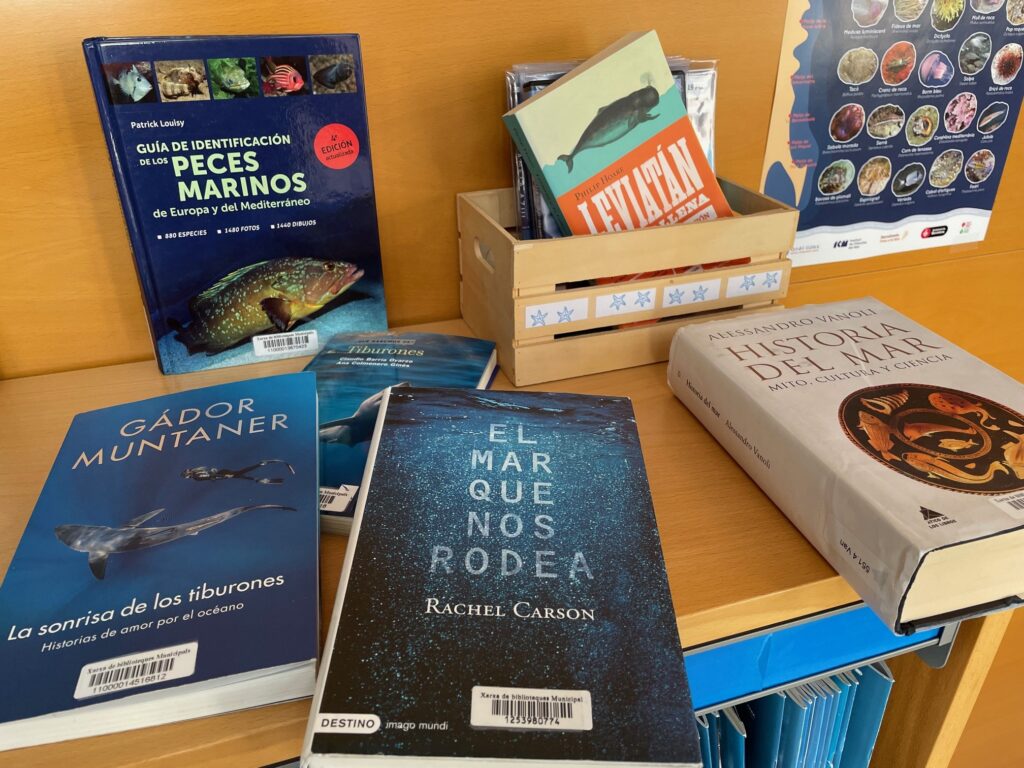
Today, those figures seem incredible to us. We’ve all been to school, we all know how to read – although in many cases we don’t read books or publications like the one you’re holding in your hands right now – we all know how to write – especially on WhatsApp, without full stops, commas or accents – and, of course, we all know how to do simple arithmetic such as basic addition or multiplication, but, naturally, only with a calculator.
In other words, we read very little, our writing is dreadful and our maths is even worse. Could we say that we’re becoming a bit ‘re-illiterate’? We won’t know until the anthropologists of the future study it.
But whether the calculator does the adding for us or we think ‘esdrújula’ is a new clothing brand, I don’t think that’s the worst thing that could happen. The worst thing is that, as well as stopping writing, reading and multiplying, we stop forming opinions and even stop thinking.
After all, why bother giving our opinion when we have social media and influencers, TikTokers, Instagrammers and other such subspecies are already doing it for us? And worse still, why make the effort to learn – or even to think – when we have the all-powerful AI?
It seems the trend might be to replace whatever natural intelligence – however little or much – each of us has left with artificial intelligence – AI for short – which knows everything, so that we no longer need to know anything ourselves.
My regards to Alexa.