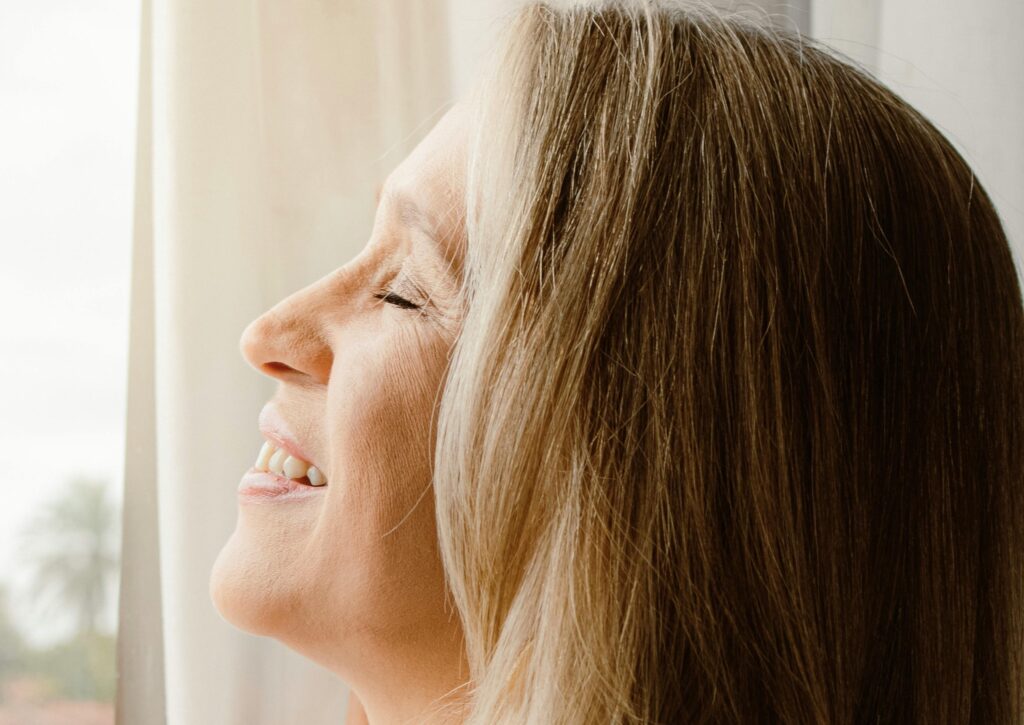
-A Barcelona native born in Valencia.
I was born in Valencia 47 years ago, surrounded by orange trees—and, as it happens, on the very day of the Fallas festival. But when I was very young, my mother and I moved to Barcelona.
-You also wanted to be a biologist since you were very young.
My dream was to become a marine biologist. As a child, I spent my summers at my grandparents’ house, which had a garden and animals. When I was nine, I set up a mini veterinary clinic in a chicken coop, where I took care of the chickens, rabbits, pheasants, and even the frogs in the pond. I’ve always needed to understand nature in order to protect it.” When I grew up, I enrolled at the University of Barcelona to study biology, while I was already working in the Llobregat Delta as an environmental education guide
-What does a guide in the Llobregat Delta do?
In addition to explaining the importance of this oasis for birds, it’s also necessary to explain the malaria problem that plagued the Delta until the 1960s, when it was eradicated in Spain. In the area, it was known as “the town of fevers.”
-This history of malaria in the Llobregat really left a mark on you.
Deeply. Here, malaria is a thing of the past, but in Africa it’s still very much a reality. This made me wonder if there was anything I could do to try to change that. I earned a master’s degree and a Ph.D. in Microbiology, but I wanted to help firsthand and on the ground. I looked for an NGO that specifically helped with this issue and couldn’t find any. The ones that existed, right off the bat, asked for 4,000 € to go as a volunteer, even though it seemed more like a tourist trip. I never imagined that helping others would come with so many obstacles. In the end, large NGOs are run like businesses, and their own operations require resources that could be directed toward the very needs they were created to address. But still, they reach places where smaller organizations can’t. That experience made me realize that environmental problems have concrete solutions—often simple ones—but they require scientific knowledge, community involvement, and political will.
-You didn’t give up.
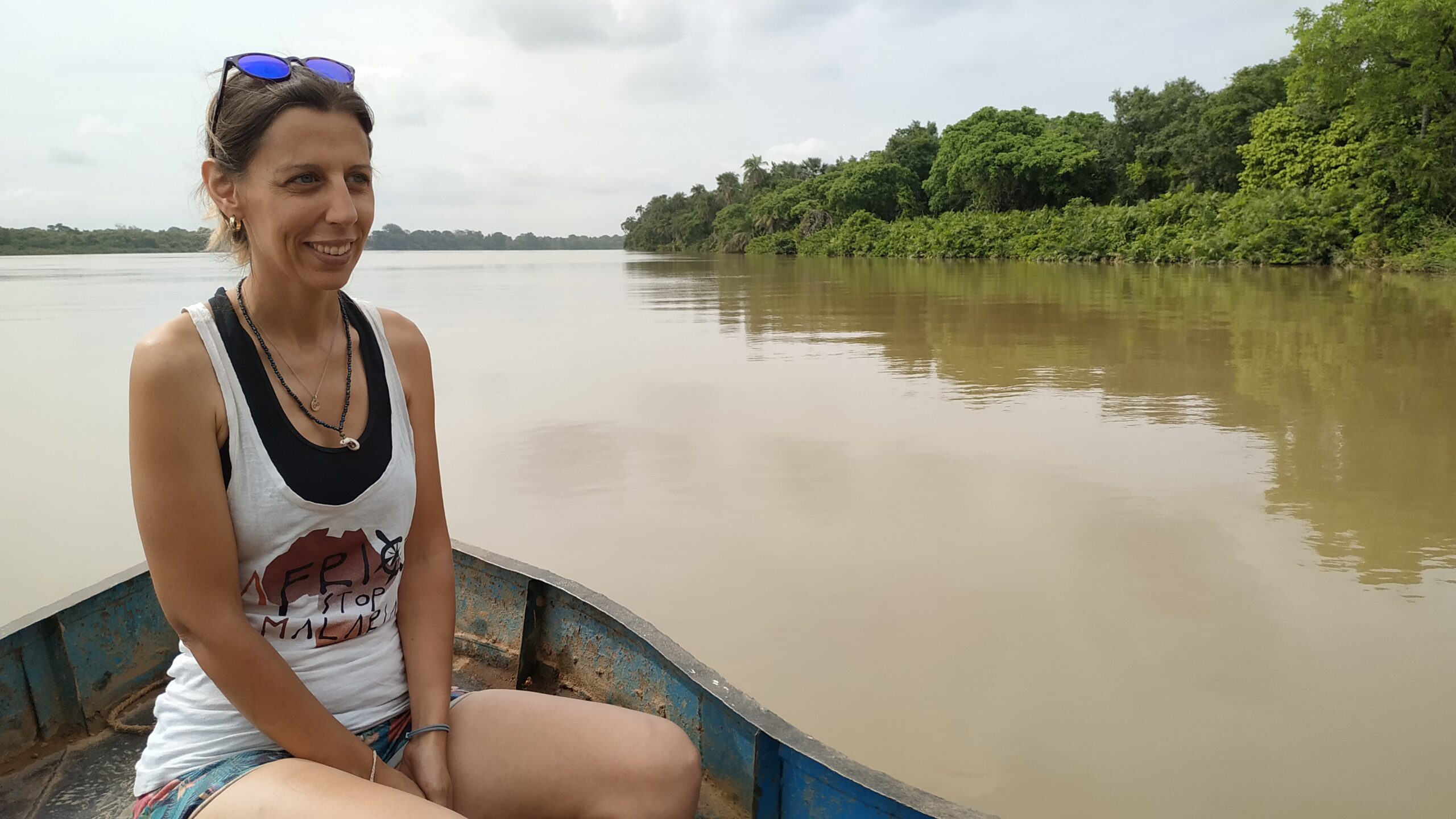
I decided to create my own NGO—or, at first, something as close to an NGO as possible. I didn’t want intermediaries or large bureaucracies; I wanted to go out into the field, see things with my own eyes, and implement simple solutions where they were needed. My first trip to Africa was in 2008.
-África Stop Malaria was founded
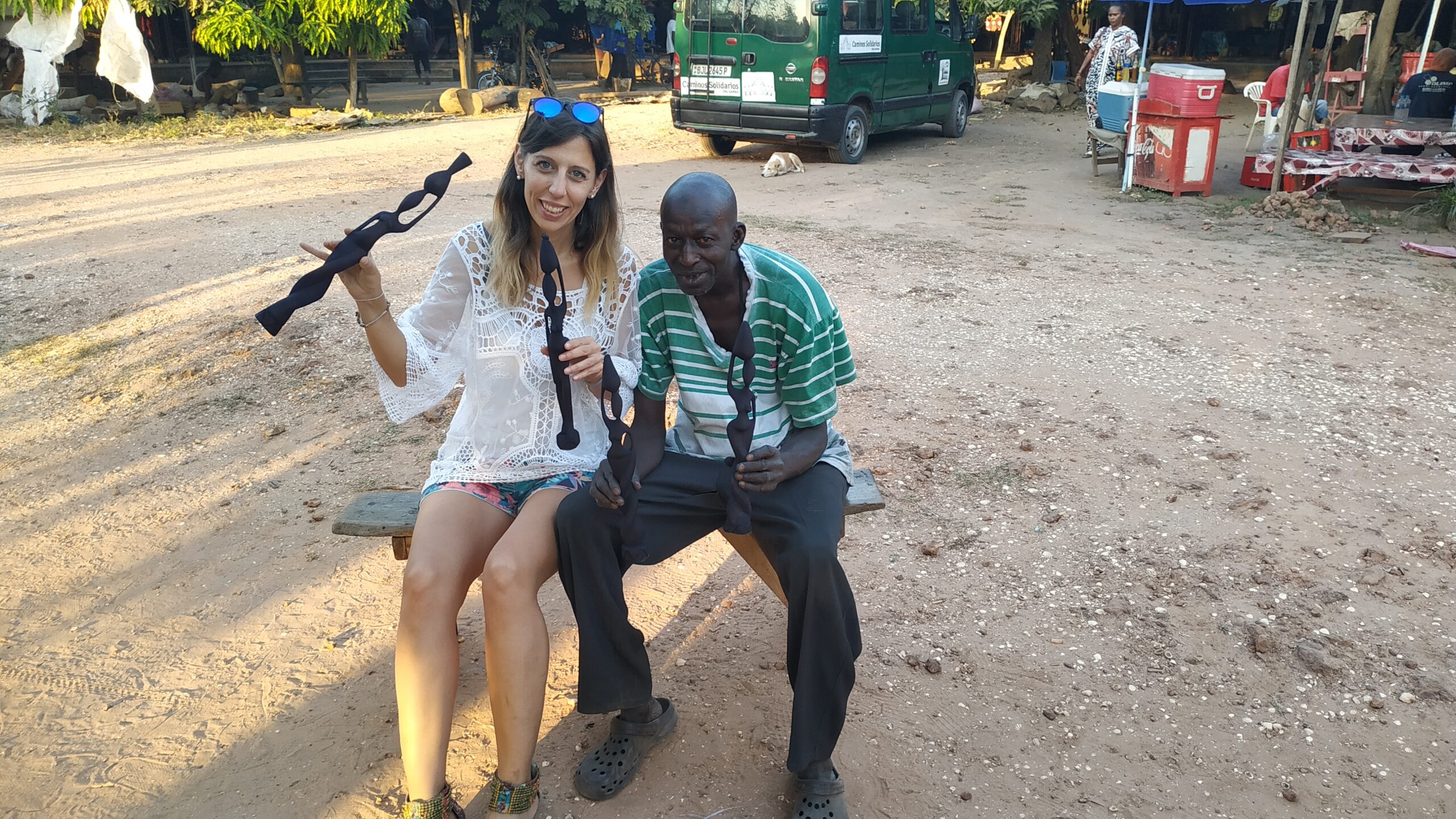
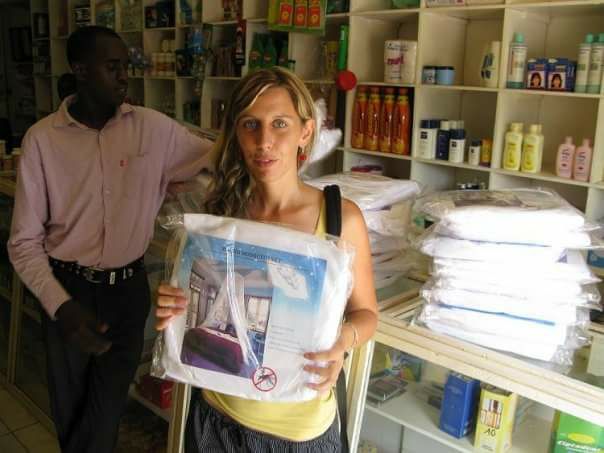
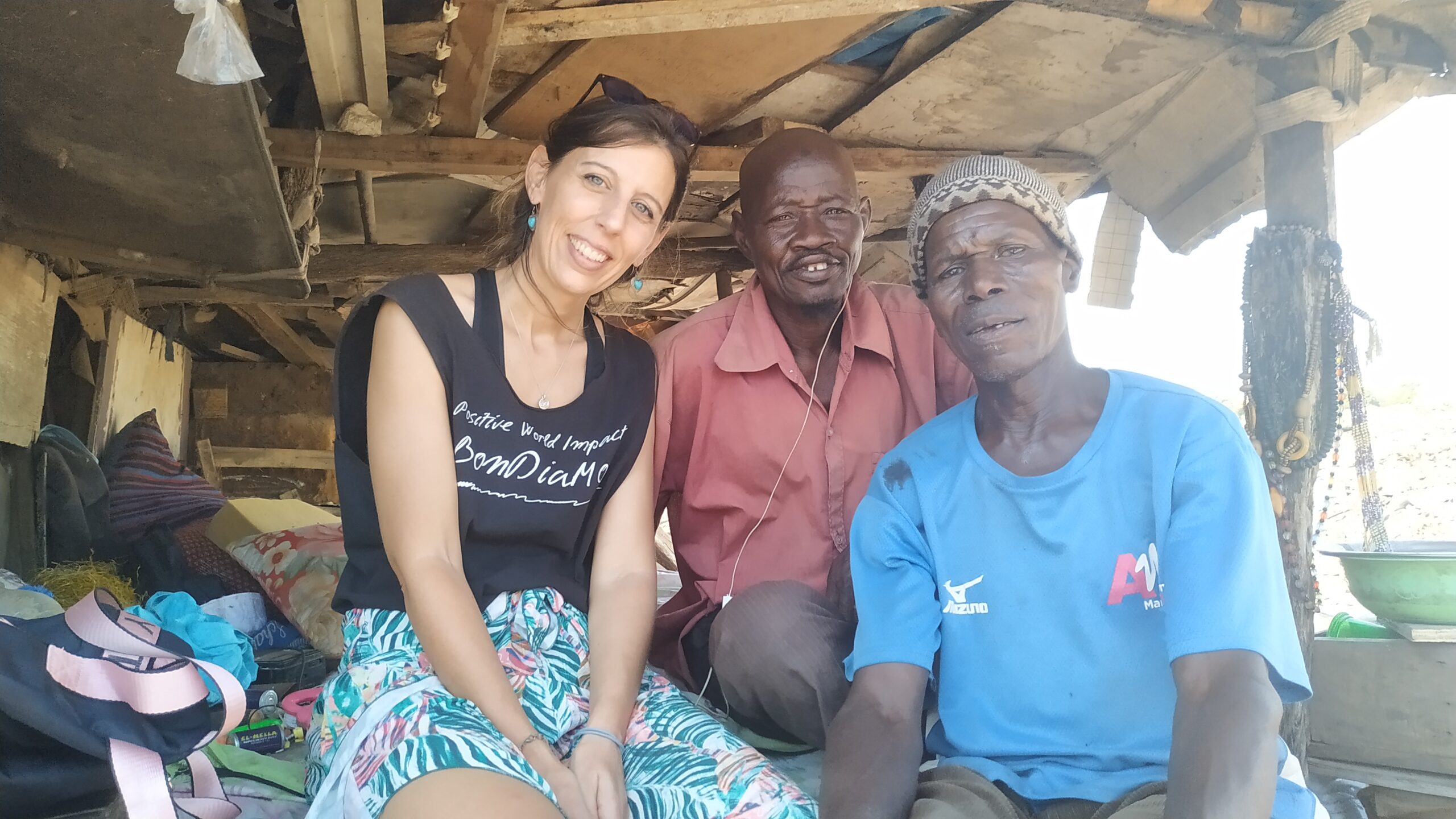
We simply distributed mosquito nets in The Gambia to combat malaria. The first year, there were just the two of us. The following year, some friends joined us, and from there, the organization kept growing. Today, África Stop Malaria has been saving lives for 18 years and now has a headquarters in The Gambia staffed by local, self-managed personnel.
-Mosquito nets that save lives. It’s that simple
That simple and that effective. We install mosquito nets where children under 5 and pregnant women live—the very people for whom contracting malaria is deadly. After age 5, the immune system is stronger, and malaria is like a bad flu; it’s not usually as deadly. In addition, the mosquito nets are treated with an insecticide that kills mosquitoes and protects the rest of the population.
-A mosquito net costing just €7 saves lives.
We don’t realize that there are many small solutions within our reach that, although they may seem simple, can be very effective.
-From microbiology, you take the plunge into the sea
Into the sea and into social activities. I’ve worked in the Arrabal and Barceloneta neighborhoods on social issues. I joined the Centro de la Playa from 2019 to 2022, where I was given the opportunity to give back to the ocean through marine biology.
-Biology that’s more about the outdoors than the lab
I’ve always criticized this. We need to get out there and let people know what scientists do. We need to bring science closer to society. When I was working on my doctoral thesis on viruses, I didn’t see much interest outside the academic sphere. And do you know when that changed?
– Tell me.
With the pandemic, when everyone was talking about COVID, PCR tests, viruses, and vaccines as if they were talking about soccer. The topic became popular—though, on the one hand, unfortunately. I think these topics need to be outside the lab, on the street, in everyday conversations.
-When it affects us, then we take an interest.
We’re all responsible for the situation, mainly because of our consumption model, which will affect us in the future, but the most negative aspect of this consumption is already harming others today: millions of people in the Global South.
-They’re thousands of kilometers away.
To produce a microchip, to obtain fishmeal, or for most of the manufactured goods produced for the population, raw materials are sourced from there, since it’s cheaper. But this is done without the necessary health controls, generating pollutants and waste that, first and foremost, affect the residents of these communities, but which later contaminate the food we end up importing and consuming here. The filth isn’t destroyed—it’s transformed—and some of it travels farther than you or I do.
-What can they do?
The local population can do very little. They have no other choice. They have to farm to survive. Then they have to sell these products to outside companies at very low prices. These companies make more profit from these products than from those grown here, of course.
-All this experience led you to create your second NGO.
In 2016, I founded BonDiaMon at the same time. It arose, in part, from my experience with Africa Stop Malaria. These communities, to whom we deliver mosquito nets, need so much more. BonDiaMon is the organization where I’ve been developing environmental and social projects for years.
-Always working with the local community and always focused on Africa
I’m also doing my part here. Now, as a freelance consultant, I offer services throughout Spain to city councils, community organizations, and companies that carry out projects with real impact: promoting locally sourced fish, participatory waste collection, training in sustainable food systems, building partnerships, and providing technical support for grants. And, of course, in Barceloneta.
-Let’s talk about your time at the Institute of Marine Sciences (ICM)
I was fortunate enough to work with Josep Lluís Pelegrí there. From 2022 to 2025, I worked at the ICM on a European project related to ocean restoration, with a target set for 2030 and the goal of fostering public engagement.
-Like the Barceloneta Network.
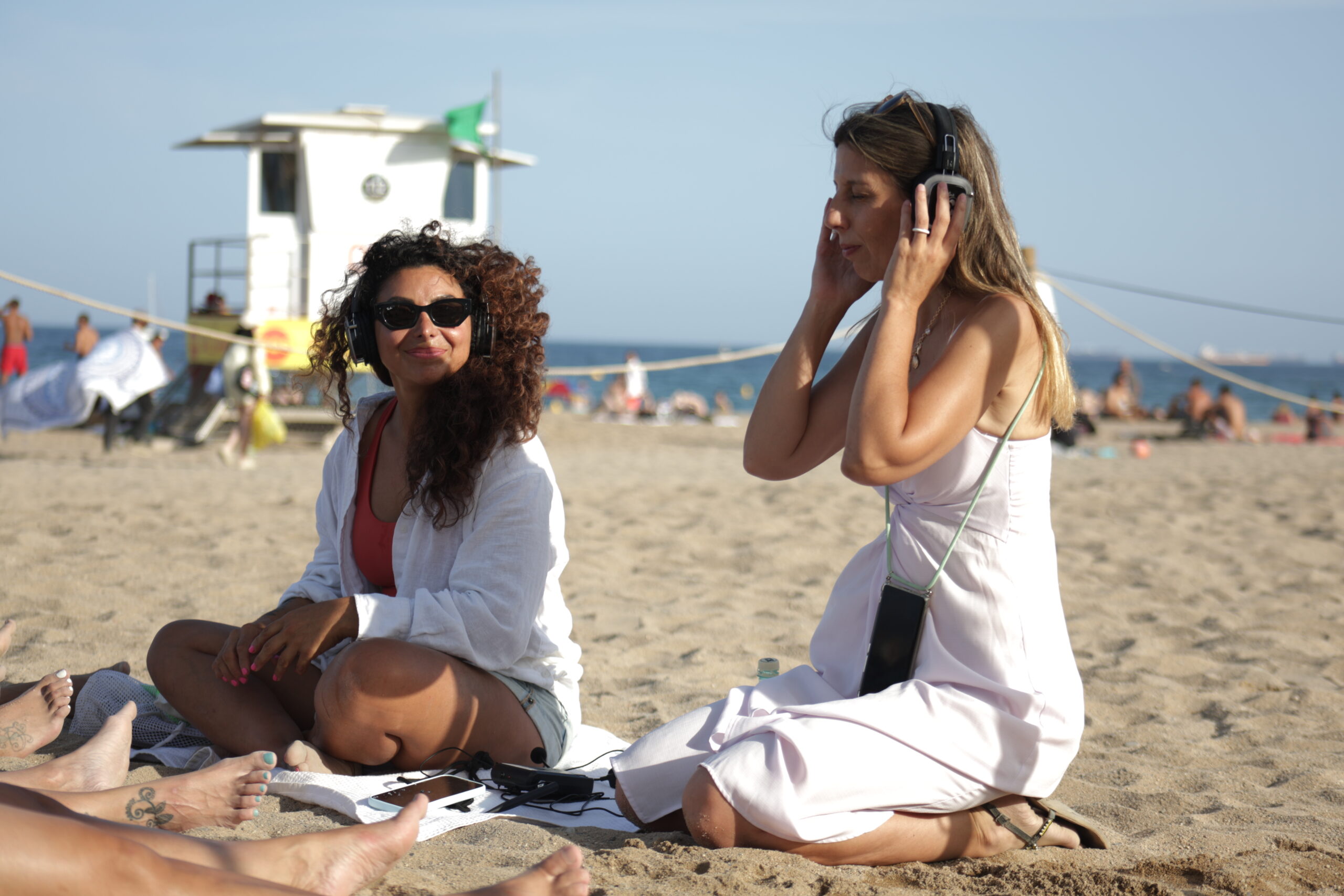
Through the ICM, I personally connected with a number of neighborhood organizations. We talked, I listened to their needs, and I acted as a sort of facilitator to help build connections. I created the Barceloneta Network, made up of key local stakeholders such as Puerto Viejo, Las Golondrinas, MB92, La Aquarium, CNAB, the Fishermen’s Guild, the BCN Puerto Innovation Foundation, Dortoka, Telpark, Central Artes, Bolseta, Oceanogami, Paisaje Limpio, Belongtono Sea, and the Itinerant Breakfasts group. To ensure this didn’t remain just a nice but theoretical initiative, we launched concrete actions: World Environment Day and Sustainable San Juan, which also have the support of the Ciutat Vella District, the Beaches Department, and the City Police. Now, as an independent consultant, I help build these same kinds of public-private-community collaboration networks, because I’ve seen that it’s the only way for projects to have continuity and take root.
-Did you also bring this connection between science and social action to the neighborhood high school?
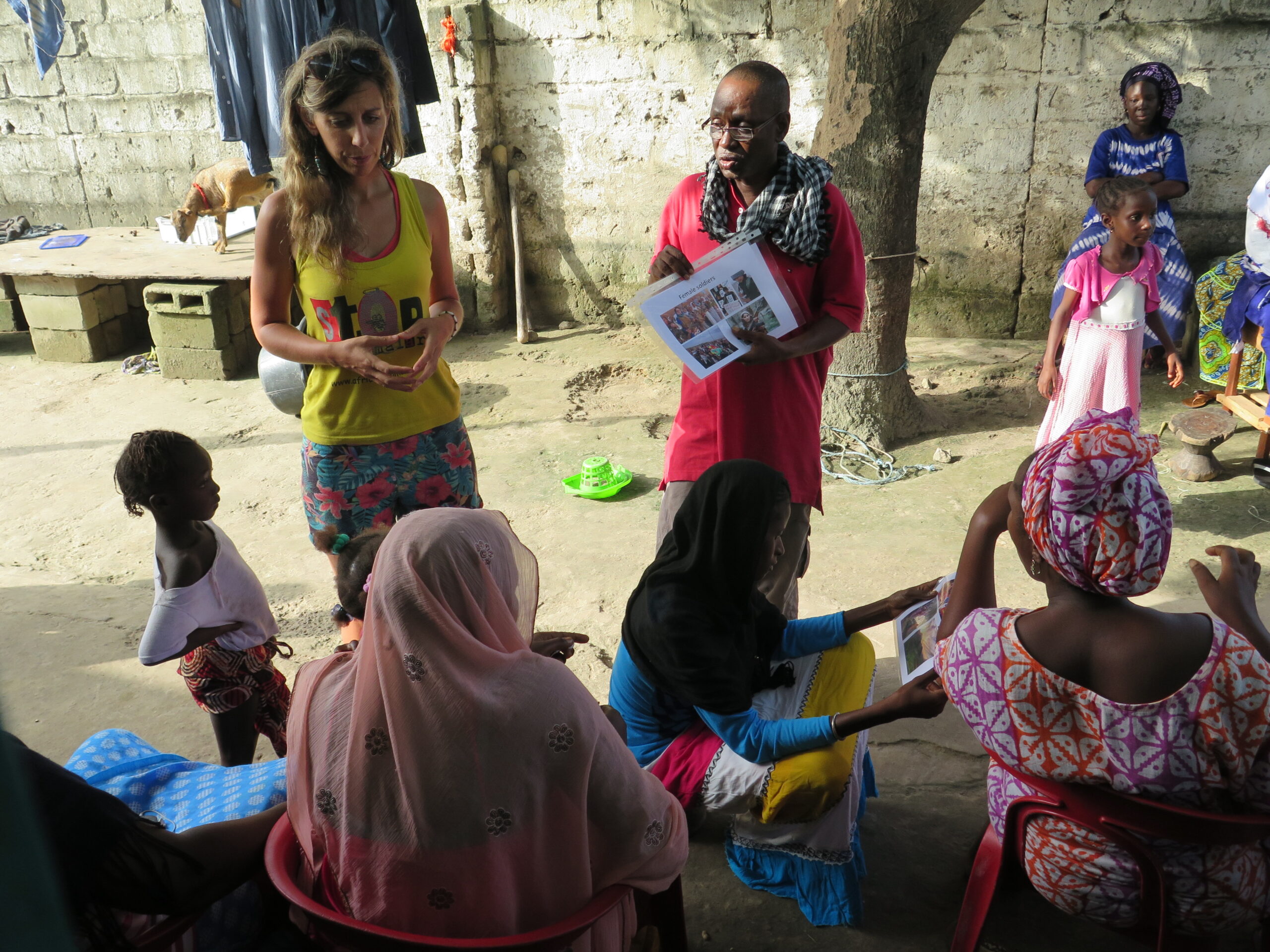
Yes, and it’s one of the projects I’m most excited about. The Narciso Monturiol Institute, now the Institute of Chemistry and Biotechnology (IQBB), is located here in Barceloneta. One day, I set them a real-world challenge: some women from Gunjur (Gambia) had asked me for help because a Chinese fishmeal factory (Golden Lead) had been dumping wastewater onto their farmland for years. I collected soil and water samples, and the students in the vocational chemistry programs analyzed them using the same protocols they would use in a professional laboratory. They measured pH, chlorides, phosphorus, potassium, coliforms… The results showed acidic soil with nutrient depletion, consistent with industrial contamination. For this work, they received an award from the BCN FP Foundation’s Plan for Innovation in Vocational Training.
-And have you continued this work this year?
This year we’ve done it again, and now they’re analyzing the water with stricter controls (cold chain, proper transportation). The best part is that the students learn that science isn’t abstract: their analyses can help women who are 4,000 km away and who will never set foot in a lab.
-Tell us about Sant Joan Sostenible.
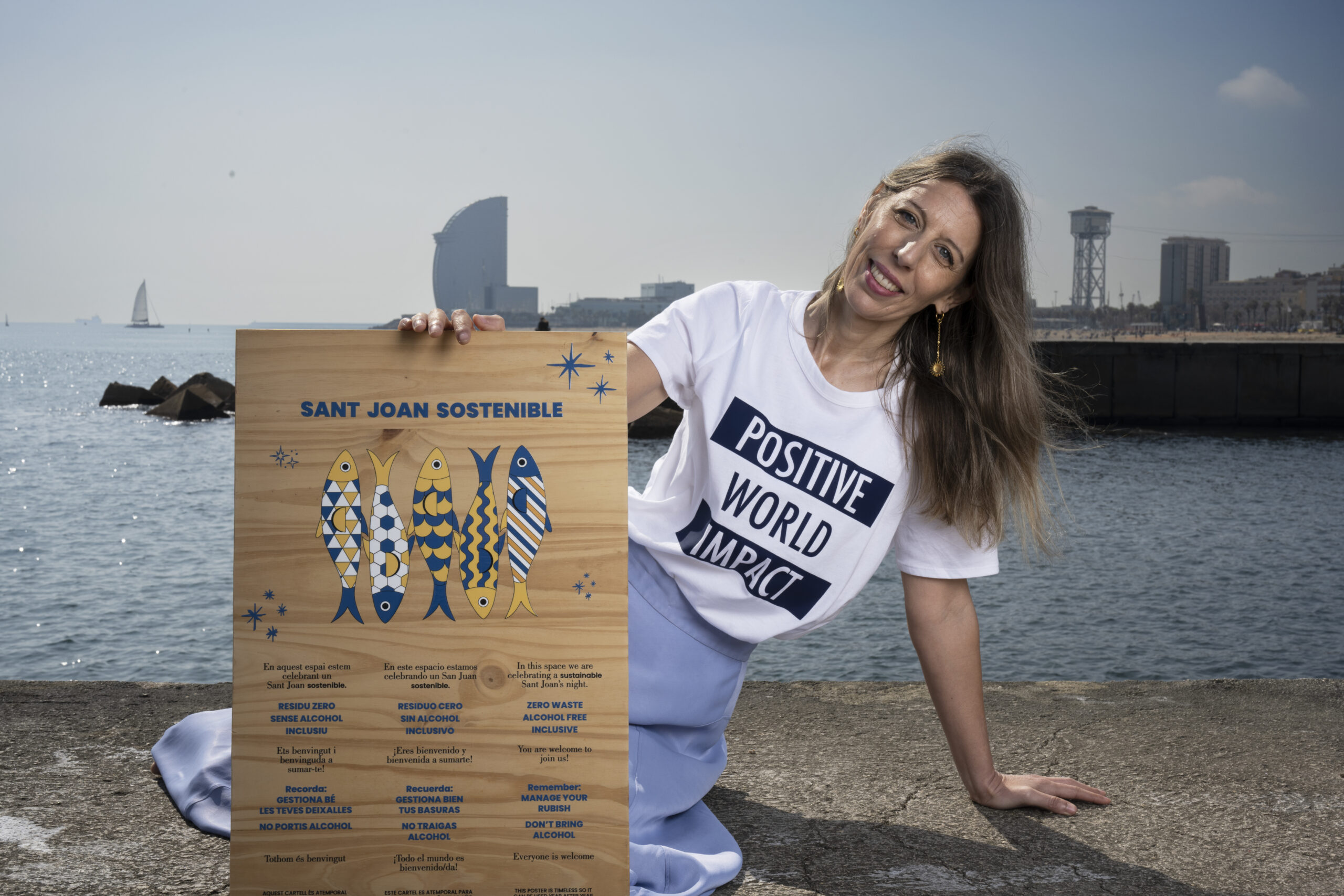
It’s about celebrating a different kind of festival: zero waste, inclusive, and alcohol-free; plus a program of activities for all audiences, always accessible, and with measurable results. For example, the 2025 celebration managed to prevent 140 kg of waste. It’s about experiencing a tradition in an innovative way, combining culture, outreach, sports, the environment, and fun, with the sea as a backdrop and the utmost respect for our surroundings.
If such a small NGO can achieve so much, what couldn’t government agencies do with their resources?
They engage in armchair politics—superficial and one-sided—without getting out into the field or listening to the people affected. Whether they’re from there or here, like our fishermen and fisherwomen.
-Our long-suffering fishermen
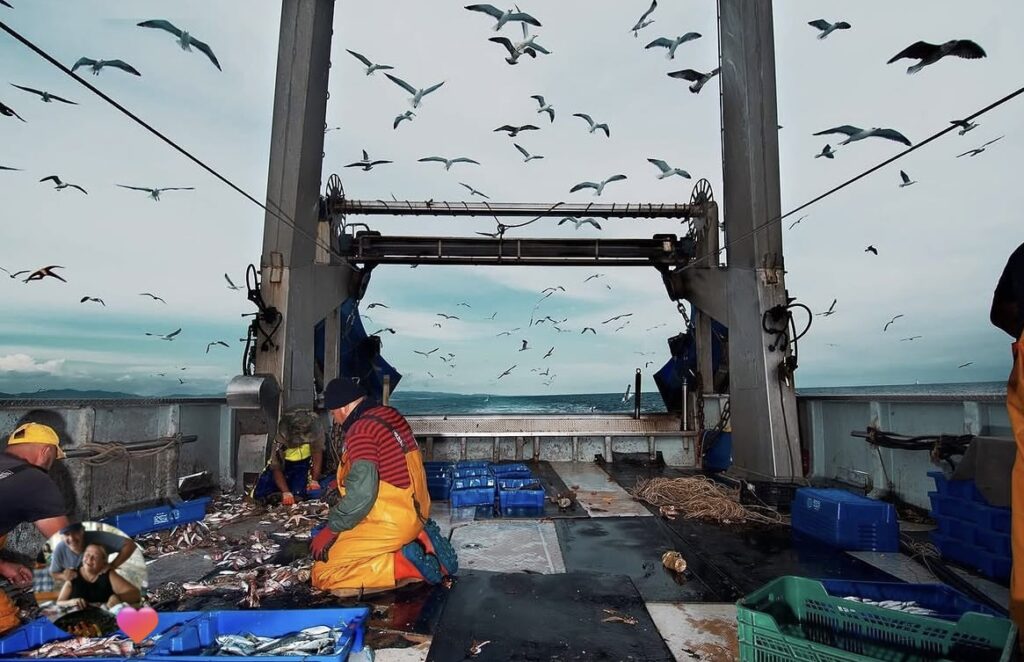
We must promote locally caught fish, just as we’ve promoted Canary Islands bananas or Lleida apples. The campaign to supply fish from the fish market to restaurants is now underway; I recommend joining it. Small-scale, local fishing doesn’t destroy the sea. And there are fewer and fewer of them. What’s destroying the sea is industrial fishing, which—controlled by powerful lobbies—is unregulated and ravages the seabed and the livelihoods of local fishermen and fisherwomen in coastal communities.
-Less salmon and more anchovy.
These days, salmon are raised in overcrowded farms and are loaded with dyes, steroids, and antibiotics. Do you know what the best thing about it is? The marketing.
A message of hope, Noemí.
At BonDiaMon, we have a saying we really like: “Because good things happen in the world every day, and as for the things that aren’t good—let’s not be fooled—we can change them.”