Barcelona is a city that lives facing the sea, but we often lack the space to talk about it . Not just the sea we see next to our homes—the beaches, the port, or the blue horizon—but the sea that thinks, experiences, investigates, educates, and transforms.
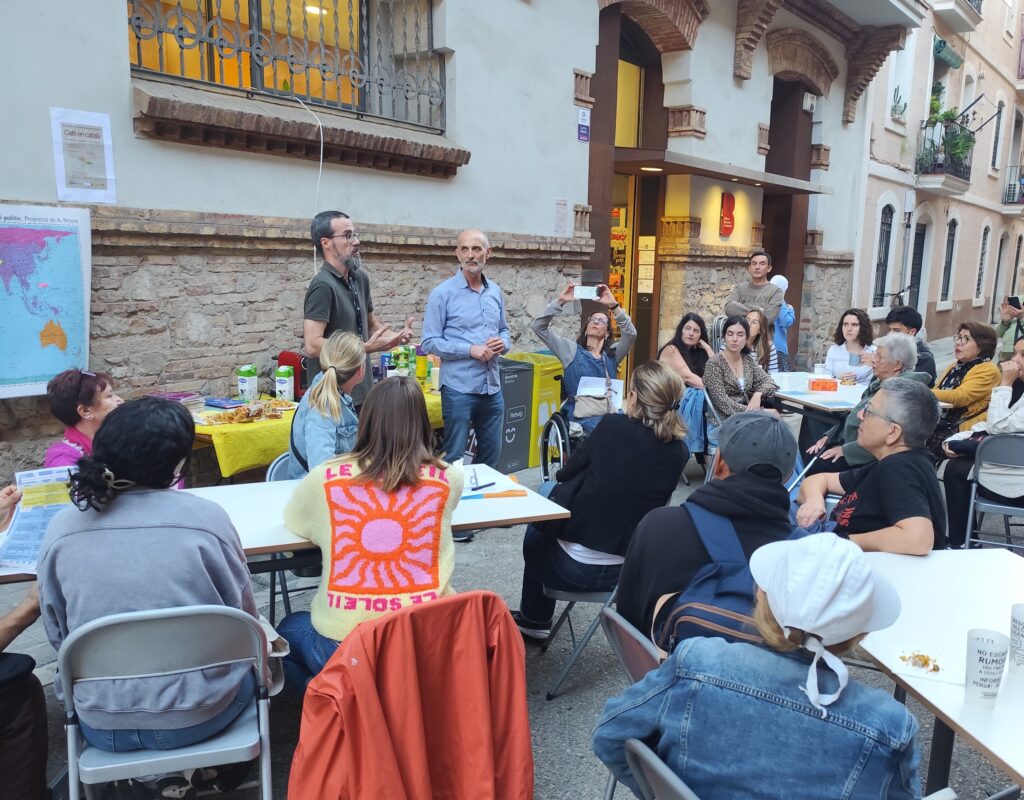
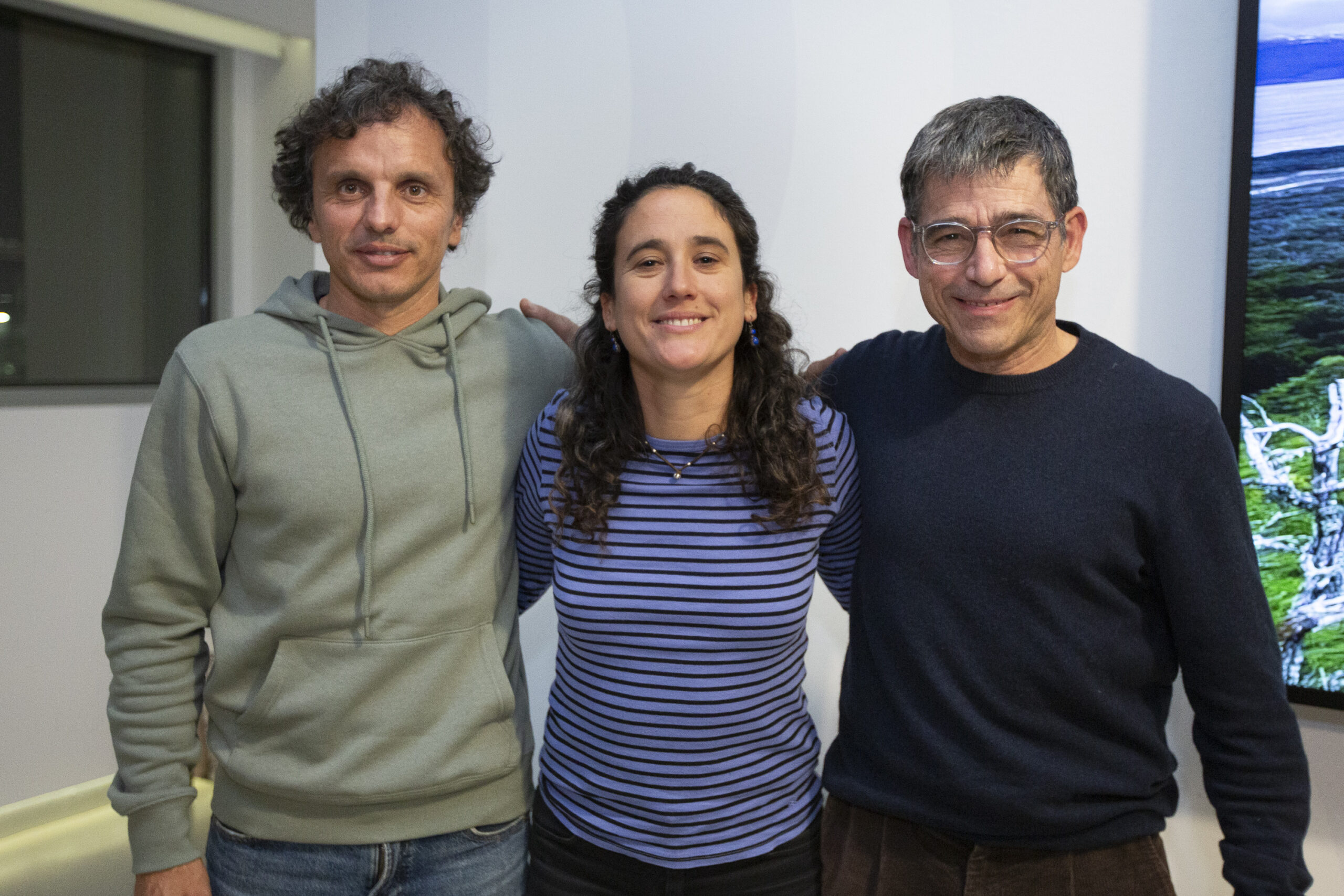
The sea that doesn’t appear on postcards but sustains lives, projects, knowledge, and opportunities. This idea gave rise to Blau de Fons:, the new series of talks promoted by the Barcelona Capital Náutica Foundation, a project that aims to bring maritime culture closer to the public and raise awareness of the Blue Economy, the concept that combines sustainability, innovation, and the future in the oceanic world. Blau de Fons: plays with the idea of the “groundswell”—those long, deep, persistent waves that originate far away and arrive with force—to turn it into a metaphor: the sea is our shared foundation, which sustains and inspires us, a force that can guide projects and generate new perspectives. It is also an economic and social “blue background”: one that reminds us that the sea can be an engine of progress if we care for it and listen to it. The opening session took place on November 25 and confirmed the growing interest in the maritime world. The Barcelona Capital Náutica Foundation hall was packed to hear three very different but deeply complementary voices: Dídac Costa, Marta Güemes, and Kenneth Perdigón. A conversation that went beyond tales of expeditions and adventures to delve into the intimate and transformative relationship that each of us has with the sea.
Conversation with sea enthusiasts
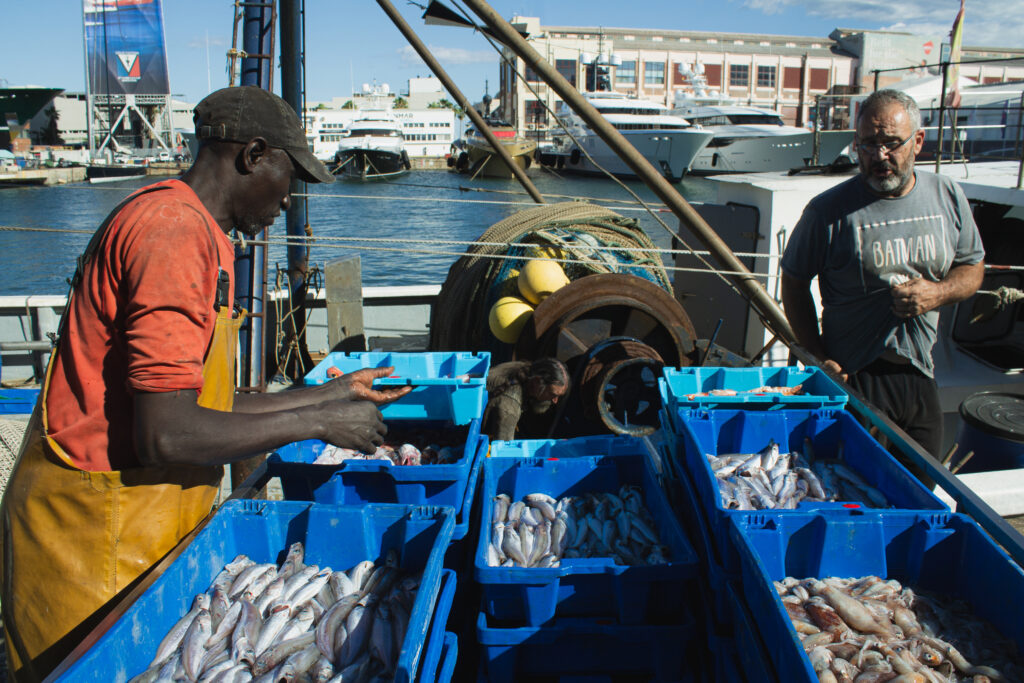
Dídac Costa, ocean sailor and firefighter, presented a project that perfectly embodies the spirit of Blau de Fons: crossing Patagonia on a Catalan skateboard with Guillermo Cañardo. Costa defended sailing as a school of patience and adaptation: “The sea forces you to listen. You can’t impose anything on it.” Marta Güemes, engineer and sailor, is the creator of the Ocean Peak Foundation, which uses sailing and the marine environment as an educational tool for young people at risk of social exclusion. A vision that links the sea, education, and personal growth: “When a young person gets on a boat and takes on a role, they understand that they are part of a team. And they discover that they can contribute, that they can achieve real things.” The third guest, Kenneth Perdigón, captain and nautical trainer, spoke about the Vinson of Antarctica exploration project, in which he is currently participating. He reminded us that exploration is not just adventure: it is also discipline, humility, and a scientific perspective necessary to understand global change. If this first meeting generated so much excitement, it is probably because the sea is part of the identity of our neighborhood and the city of Barcelona. The port, the beach, the sailing schools, the fishing boats, the ocean-going vessels that come to compete… All of this coexists in the same space that we often pass through without stopping to pay attention. Blau de Fons wants to intervene here: it wants to open up conversations that often do not take place. Because the sea is not just a landscape: it is a natural heritage, a fragile ecosystem, and a space of opportunity for future generations. Working towards a sustainable Blue Economy—one that drives economic activity without compromising the health of the oceans—is a shared responsibility. And this means learning about, listening to, and giving voice to initiatives that are already transforming the sector.
New Blau de Fons sessions
The cycle will continue on December 11 with a particularly significant session: “Sailing with blindness,” led by Dani Anglada Pich. Anglada, a finalist in World Sailing’s Team of the Year 2025 category with the Yes We Sail project, will explain his experience sailing without sight and his recent return to the Isle of Wight on a sailing skateboard. A story that combines overcoming adversity, technology, inclusion, and a deep relationship with the sea. Blau de Fons will continue in January 2026 with new sessions dedicated to topics as diverse as environmental education, the role of women in the maritime world, solo sailing, nautical literature, and the sustainable ocean economy.