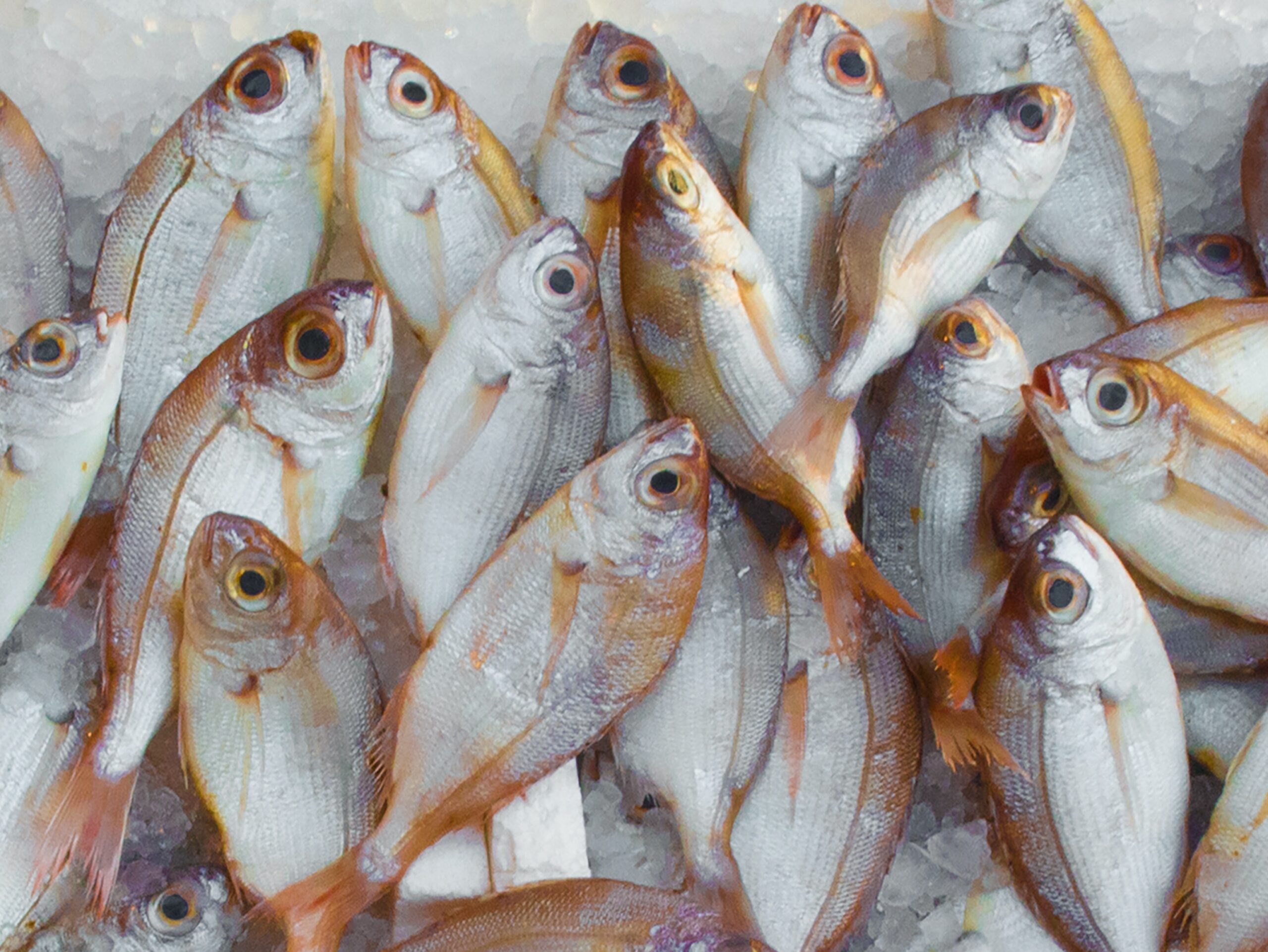
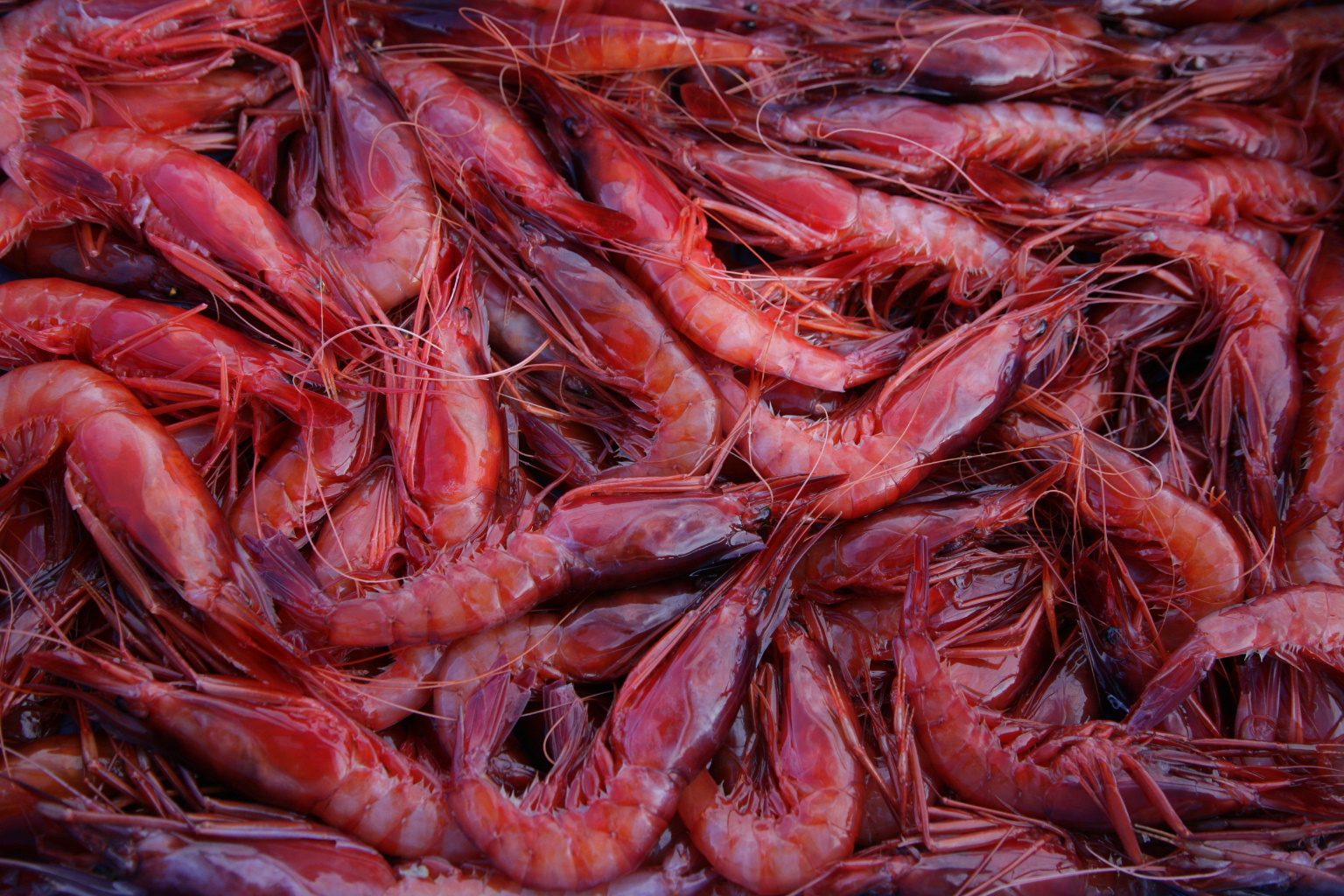
Is characterized by being at its peak in terms of flavor, quality, and price depending on the time of year
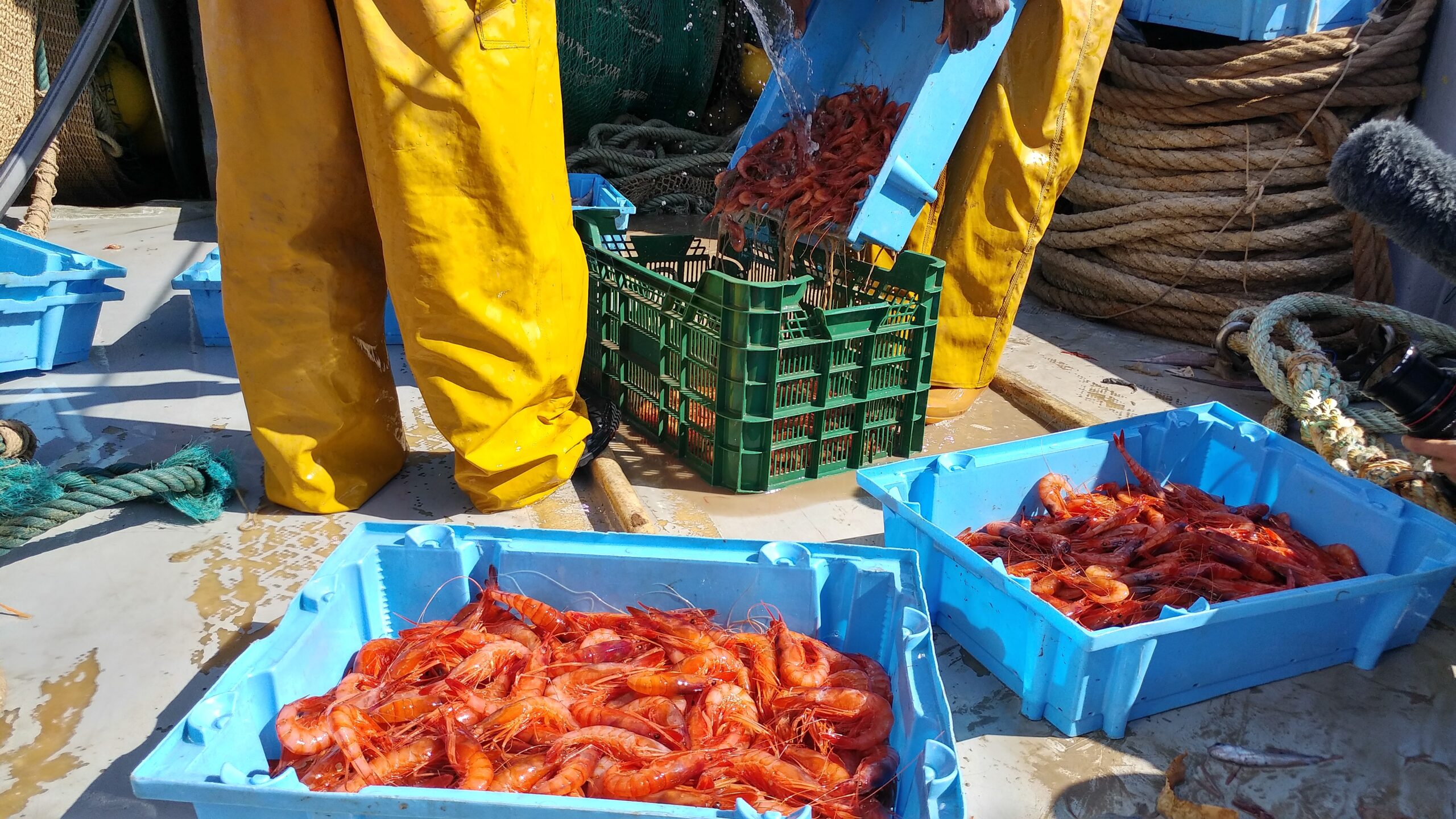
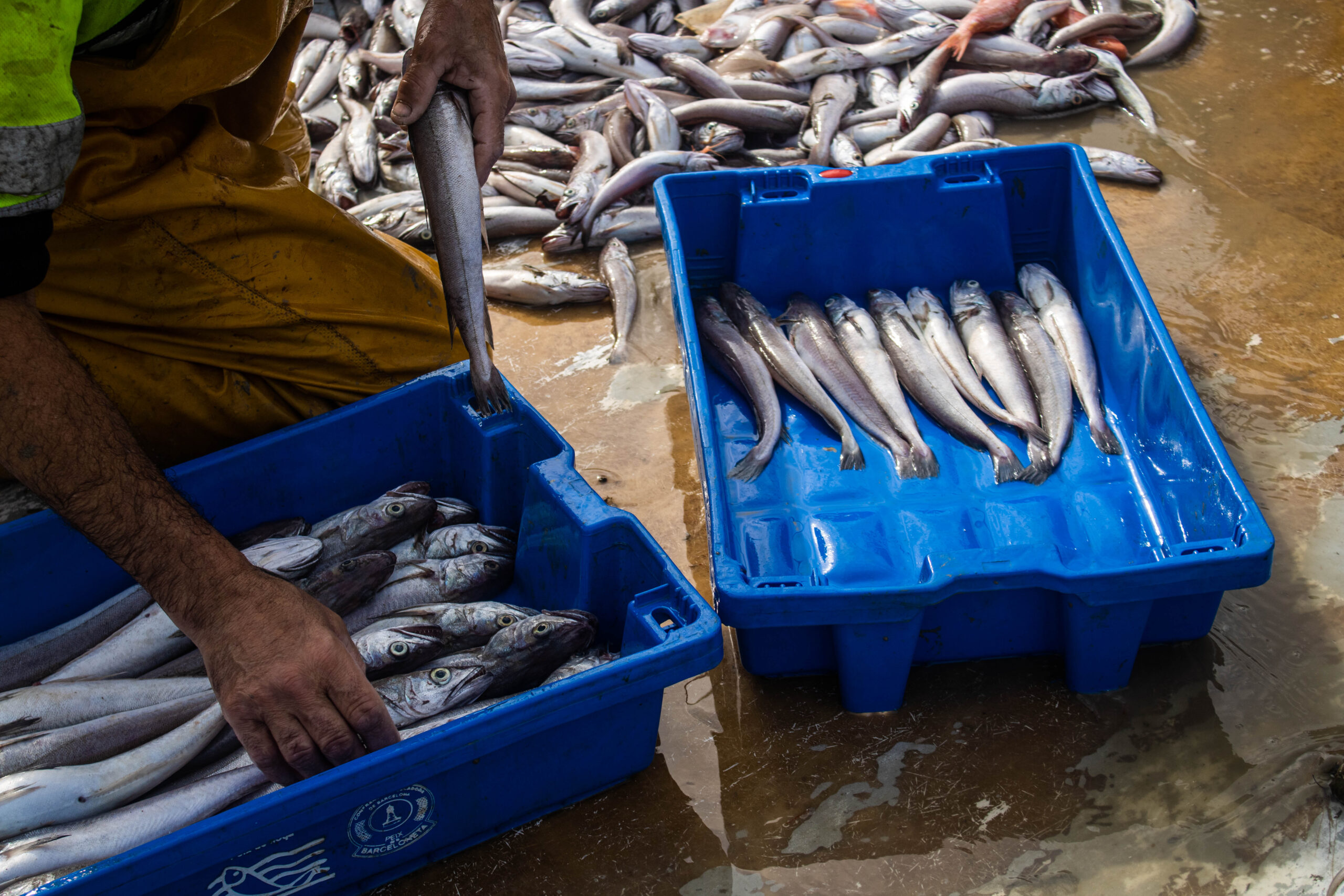
You don’t catch the same fish all year round. We’re talking about locally caught fish. Fresh, fresh. The fish from our coasts. What the ring-net, trawl, or longline boats of our fishing guilds unload at the fish markets each day, and within hours or the next day is available to you at the fish market or restaurant. We’re not talking about species from other countries or continents, with long supply chains, often necessarily frozen, nor are we referring to farmed fish. This is not fresh, seasonal fish
Key factors that determine seasonal fish:
– Biological cycles and reproduction: Species have breeding seasons during which fishing is restricted to ensure sustainability, and other periods when they are well-fed and have higher fat content.
– Water temperature: Seasonal changes in temperature affect the availability of species..
– Migratory movements: currents and the search for food cause species to be found in different fishing grounds depending on the time of year.
– Fishing bans and regulations: temporary bans are established to ensure the regeneration of species, which mark the start and end of the fishing season.
– The “R Rule”: traditionally, the quality of certain shellfish and fish is associated with the months containing the letter “r” (September-April), as opposed to the summer months (May-August) when they reproduce or the water is warmer.
In conclusion, consuming seasonal fish offers greater sustainability, better flavor and a better price, since the species is at its natural peak of abundance.
Benefits of eating seasonal fish:
Small-scale, local fishing catches seasonal fish directly from their natural habitat. In contrast, farmed fish (aquaculture) are raised under controlled conditions with feed, resulting in more tender meat, a milder flavor, and often higher fat content and lower protein levels. Eating seasonal fish offers better flavor, a firm texture, and greater nutritional value (omega-3, vitamins) because it is at its peak, in addition to being more economical due to high availability.
• Higher quality: The fish is at its biological peak, with natural fats that enhance its flavor and provide a superior texture.
• Cost savings: : as these are times of greater abundance, the price at the fishmonger’s usually goes down.
- Nutritional benefits: nutrients are better preserved, providing a high content of protein, Omega-3 , and essential vitamins (D, A).
• Sustainability and the environment: species reproduction is respected, and overfishing is avoided, promoting the care of the marine ecosystem.
• Versatility and freshness: It allows for seasonal dietary variation, incorporating fresh, local products and avoiding reliance on frozen or imported goods.
• Ecology: its traceability, from harvest to consumption, is much shorter, saving CO₂ emissions during transport and distribution.
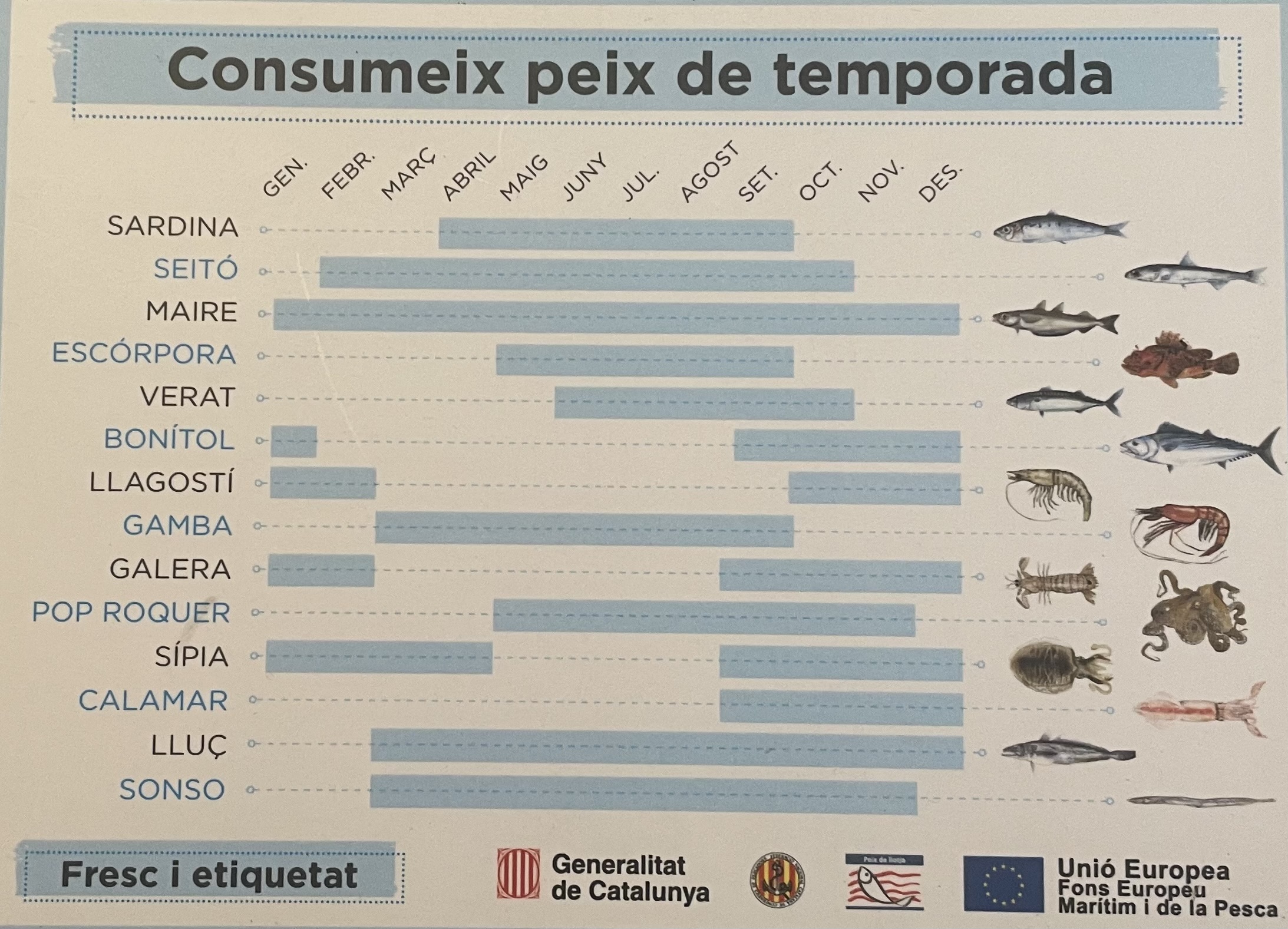
Your fish each month.
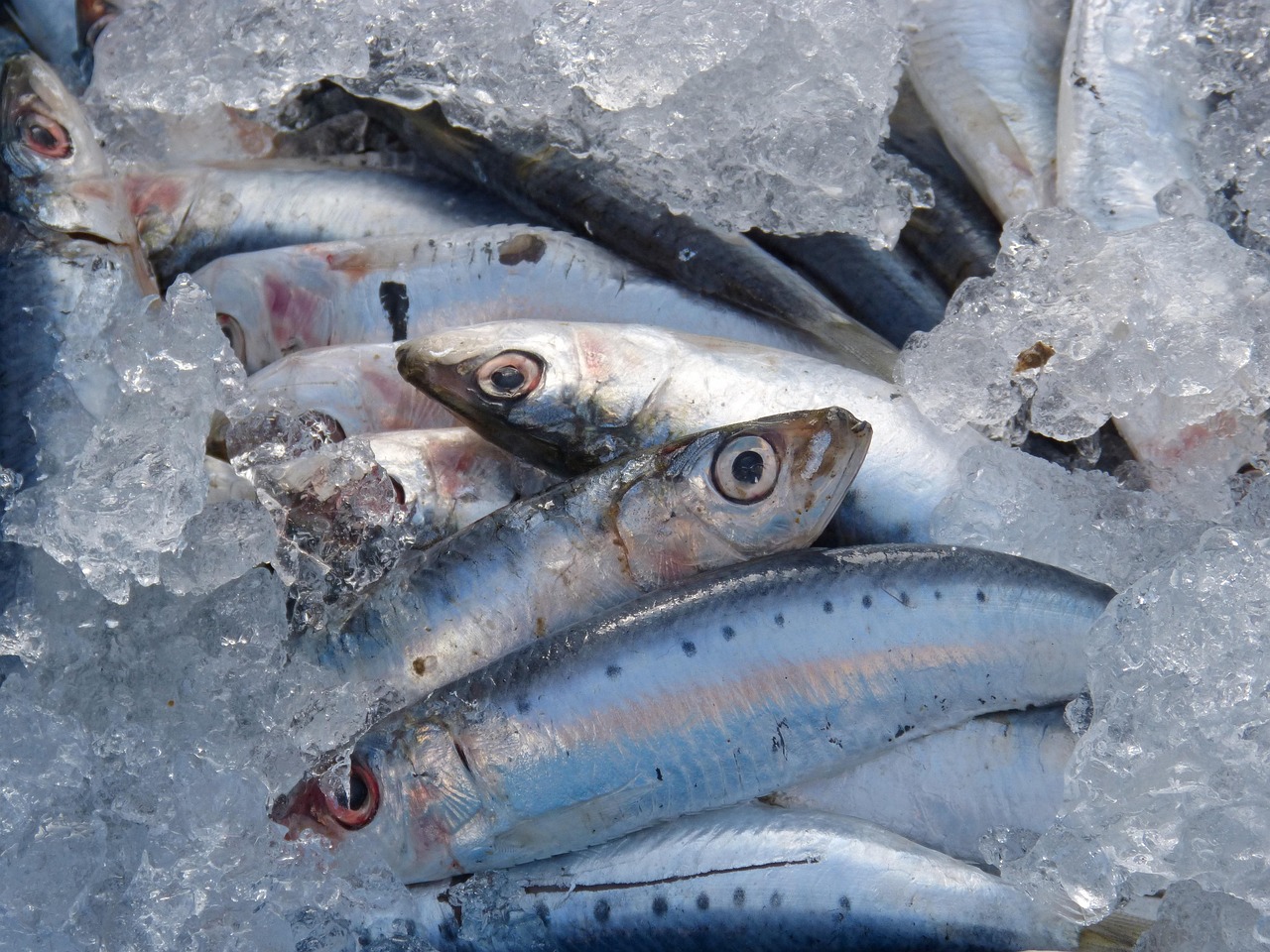
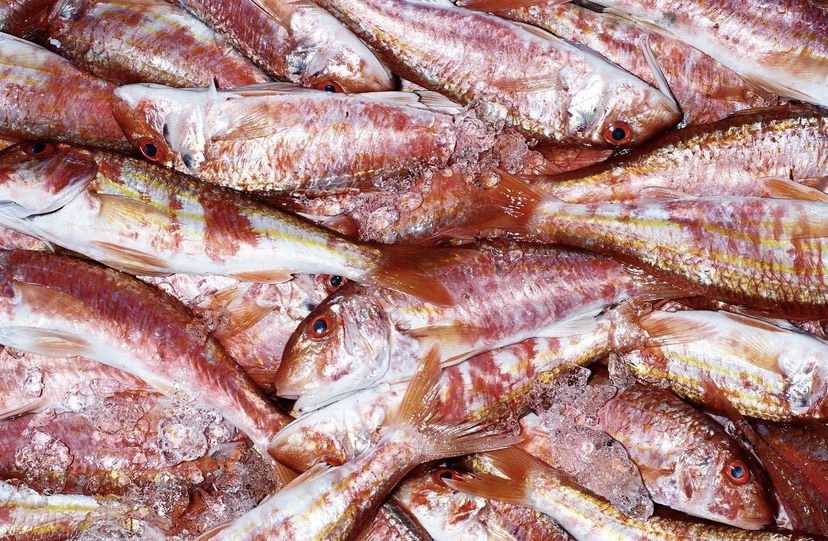
Depending on the time of year, you’ll find different fresh, wild species.
While it’s best to ask your trusted fishmonger about seasonal wild fish, below is a breakdown of species by season.