The Museum of the History of Catalonia (MHC) celebrated its 30th anniversary with an open house weekend and the Cronomaster
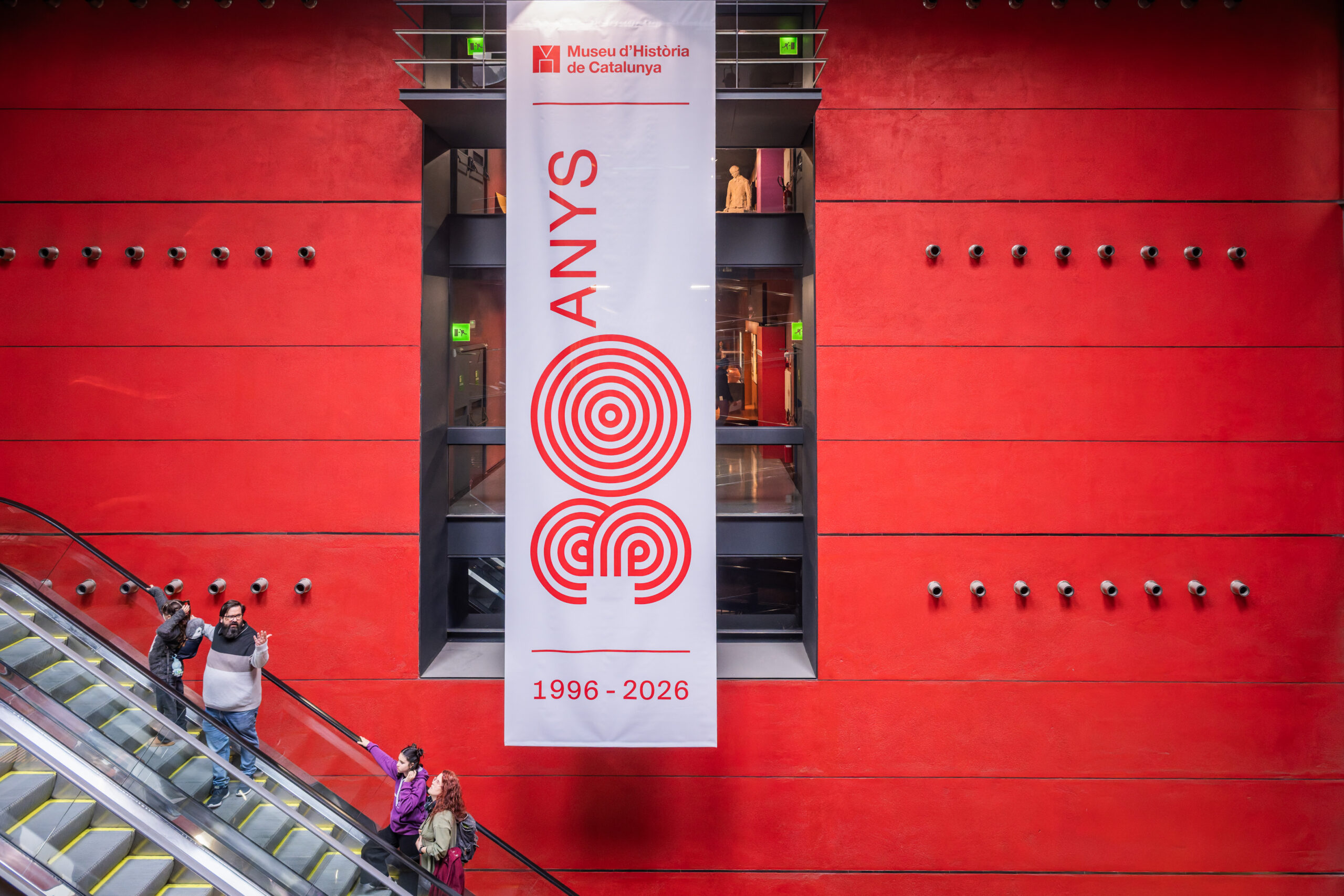
The Museum of the History of Catalonia (MHC) celebrated its 30th anniversary with a festive weekend that combined culture, participation, and history. To mark this milestone, the museum offered free admission on February 28 and March 1, inviting the public to join in the celebration of three decades dedicated to preserving, narrating, and disseminating the history of Catalonia.
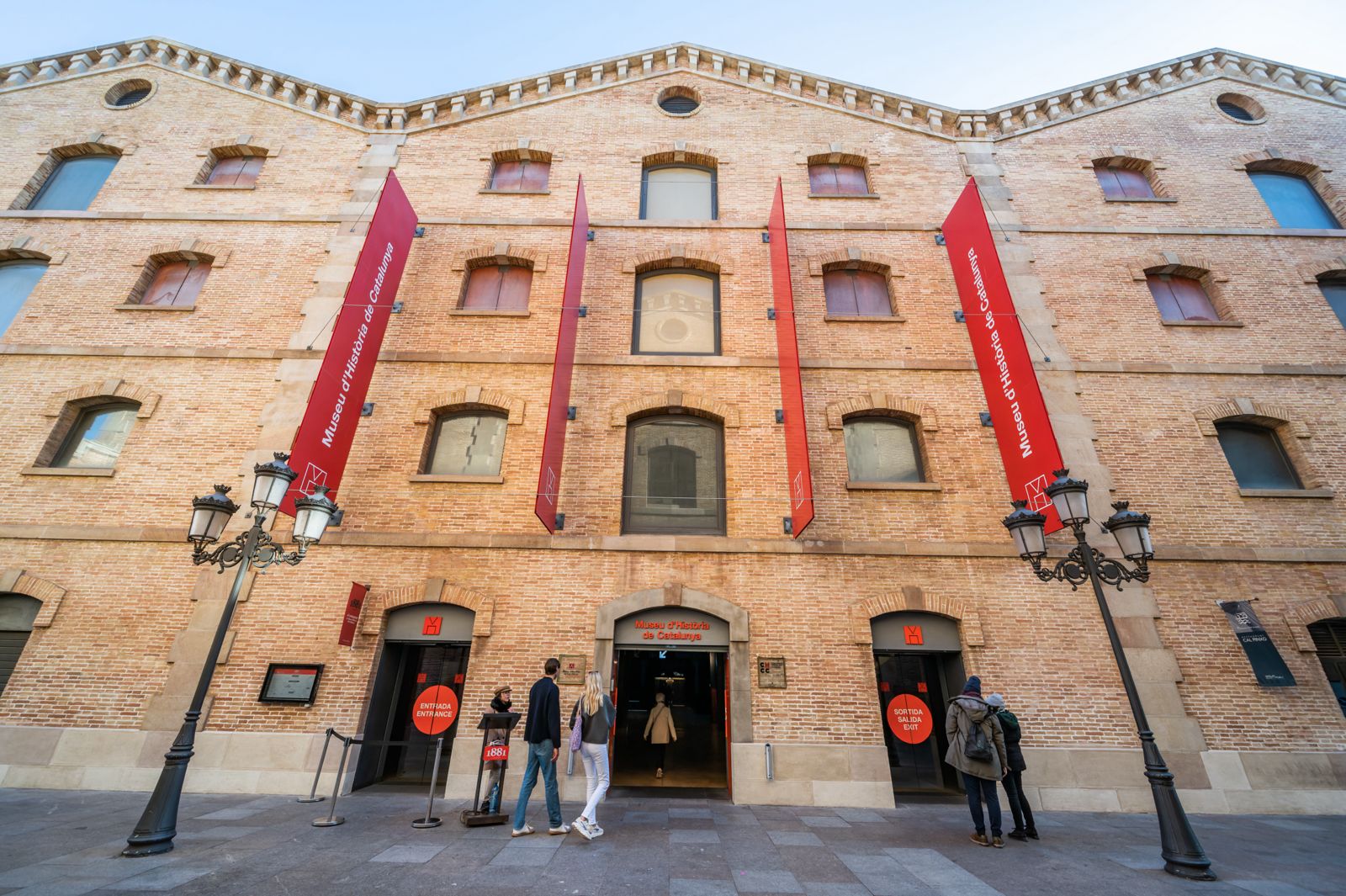
The museum, inaugurated on February 29, 1996, in the former General Trade Warehouses of the Port of Barcelona, used the anniversary to take stock of its journey and reaffirm its commitment to the preservation and dissemination of Catalonia’s historical heritage. Over the past thirty years, the museum has established itself as one of the country’s leading cultural landmarks and as a meeting place for debate, learning, and reflection on history and collective identity.
The open house events allowed numerous visitors to discover or rediscover the museum’s various exhibition spaces. The public was able to tour the permanent exhibition “The Memory of a Country” free of charge, as well as various temporary exhibitions, including “The Romani People of Catalonia: History and Culture,” dedicated to highlighting the historical trajectory and contributions of the Romani people to Catalan society, and “Women in Our History,” which celebrates the role of women in society. Visitors could also explore the Museu Presenta space, which at that time was dedicated to the 1888 Barcelona World’s Fair.
The celebration also included activities designed for all audiences. Families were able to enjoy the Racó Fuet, a recreational and educational space located on the museum’s third floor that offers a dynamic approach to the history of Catalonia. This space, developed in collaboration with TV3 and Minoria Absoluta, provided an interactive experience that combined play and learning.
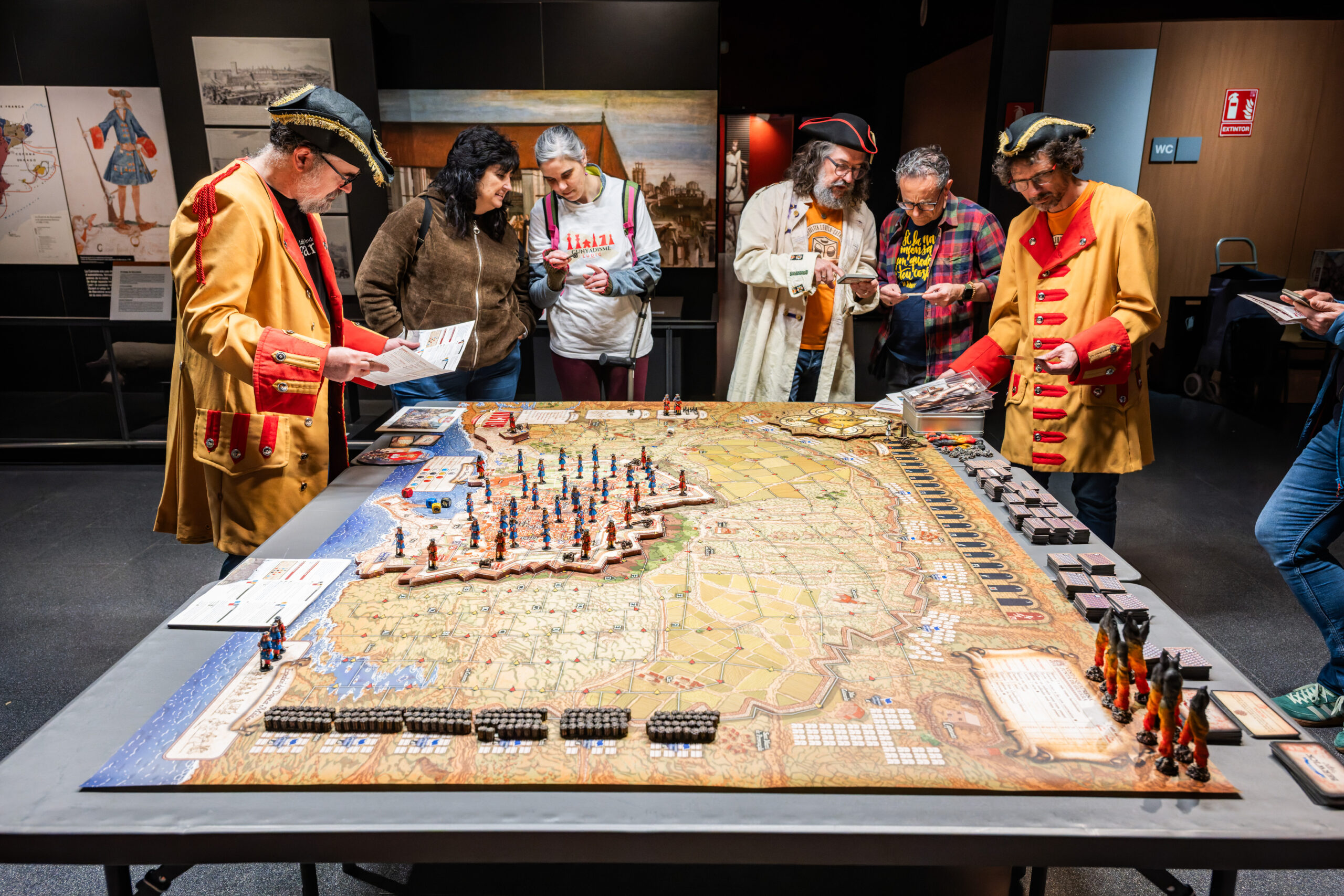
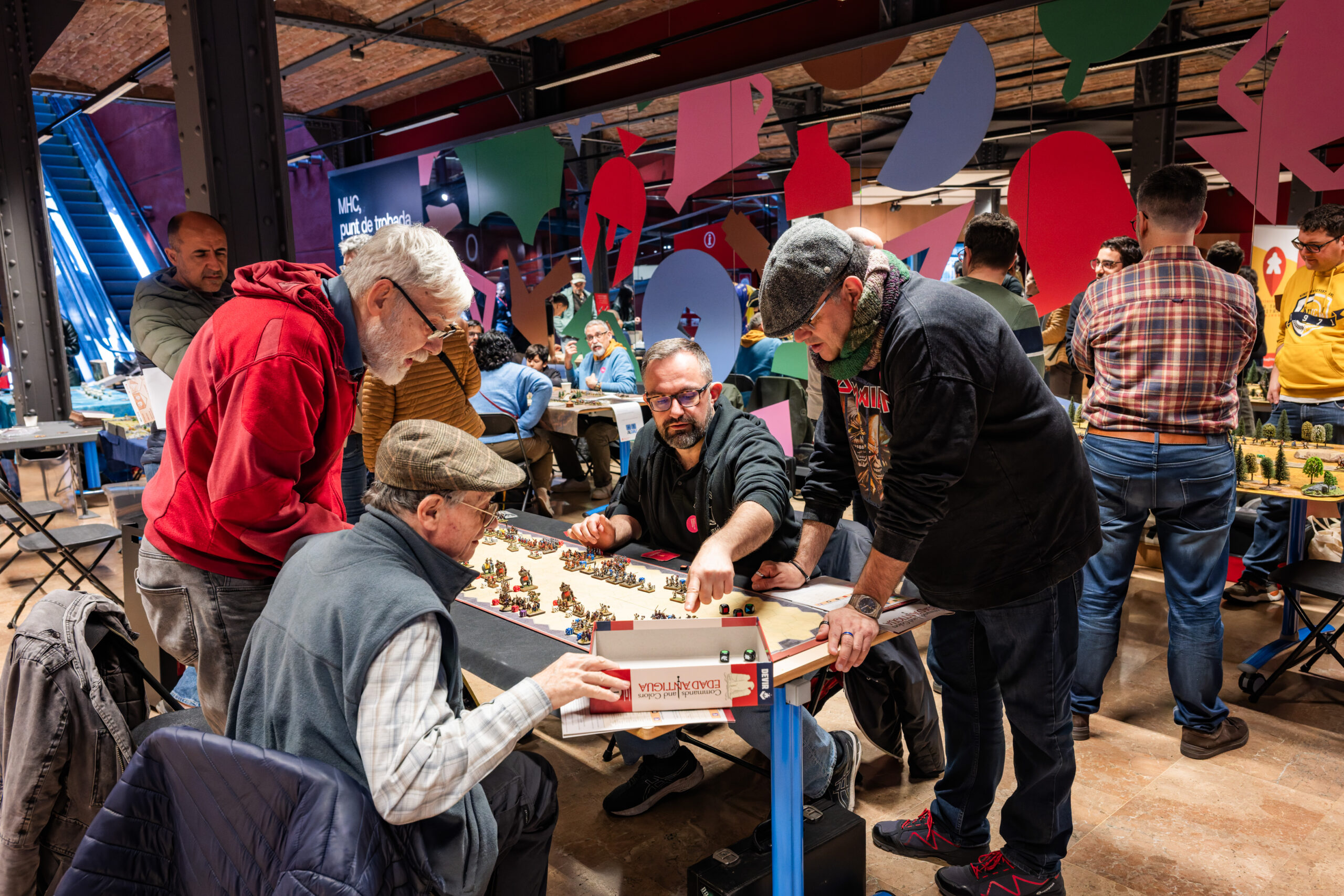
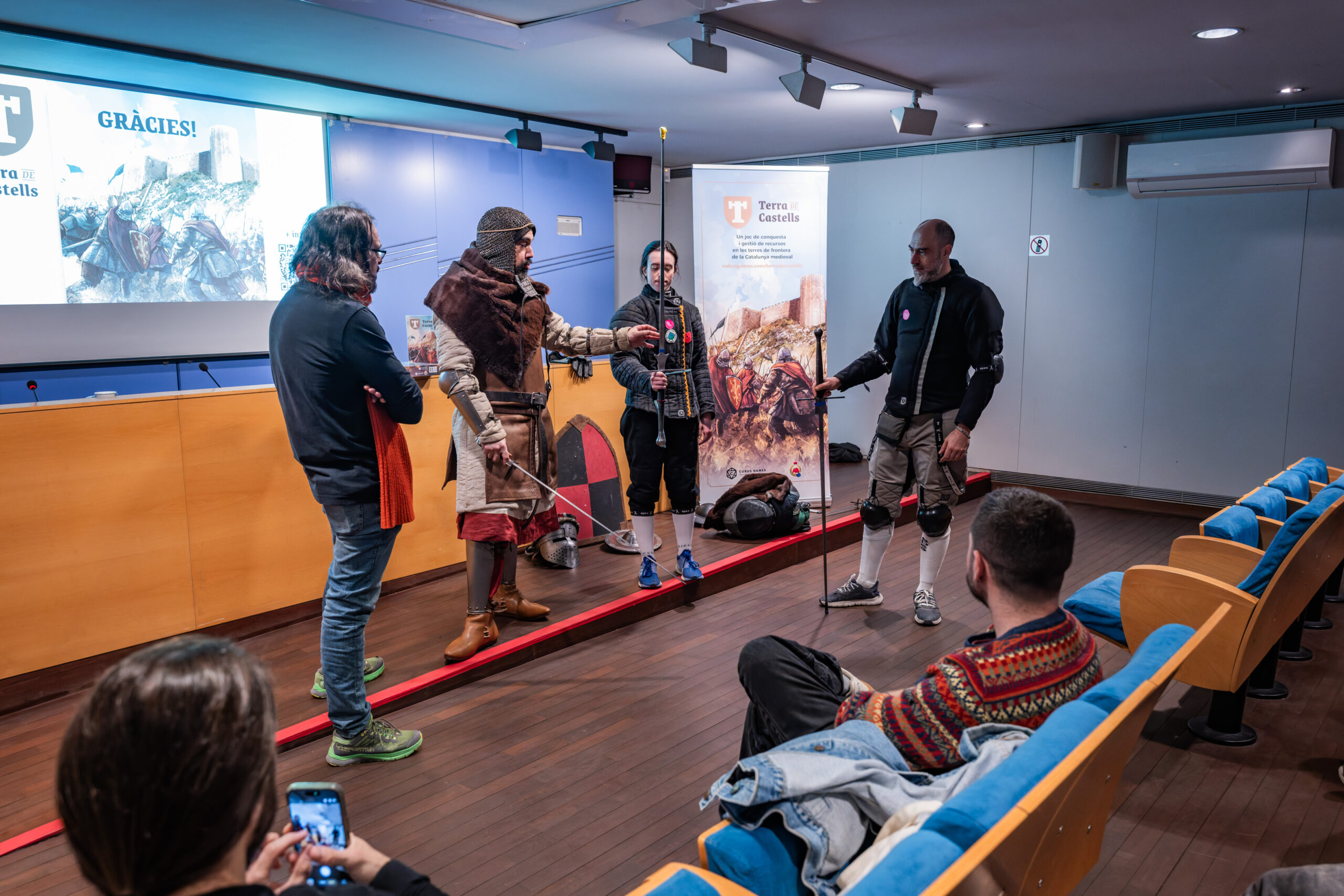
One of the highlights of the weekend was the latest edition of Cronomaster, an event dedicated to historical simulation board games that took place on Saturday from 10 a.m. to 7 p.m. The event transformed the museum into a vast space for play and historical exploration, with tables set up throughout various rooms where visitors could participate in games, demonstrations, and battle reenactments.
The event was organized into different chronological sections covering various periods of history, from prehistory to futuristic and dystopian scenarios. Each area featured games adapted to different difficulty levels, with introductory tables for beginners and more complex games for experienced participants. Among the highlights were reenactments of historic battles such as Waterloo, Stalingrad, and Trafalgar, as well as guided demonstrations and talks in the museum auditorium led by game designers and specialized content creators.
Cronomaster brought together history enthusiasts, families, and curious visitors eager to explore historical simulation games. The event demonstrated the potential of games as an educational and participatory tool for understanding historical processes and fostering critical thinking.
As part of this anniversary celebration, the museum also highlighted one of its most notable exhibitions of the year: “The Romani People of Catalonia: History and Culture.” The exhibition traces more than six centuries of Romani presence in the country and acknowledges their cultural, social, and economic contributions, while also shedding light on the episodes of discrimination and persecution the community has endured throughout history. The exhibition is part of the museum’s commitment to offering a pluralistic and inclusive perspective on the history of Catalonia and to incorporating voices and testimonies traditionally absent from official narratives.
The 30th-anniversary celebration also served to highlight other strategic projects undertaken by the museum, such as the expansion of its online collection, which allows visitors to view thousands of cultural heritage objects via the internet. After several years of work, the museum has significantly expanded its digital records, with over 7,500 objects now accessible to the public, thereby facilitating greater access to the heritage preserved by the institution.
In addition, the museum presented the initiative “30 Years, 30 Pieces,” a project that will showcase thirty iconic objects from its collection throughout the year. Three will be featured each month, accompanied by explanations of their provenance and historical context, with the aim of bringing heritage closer to the public and inviting citizens to share memories and experiences linked to these pieces.
With this weekend of open house events and special activities, the Museum of the History of Catalonia (MHC) sought to celebrate three decades of history by reaffirming its commitment to public service and its dedication to outreach, participation, and innovation in how the past is explained. The museum thus became an open, festive, and participatory space where history was experienced collectively, through games, exhibitions, and intergenerational encounters.